

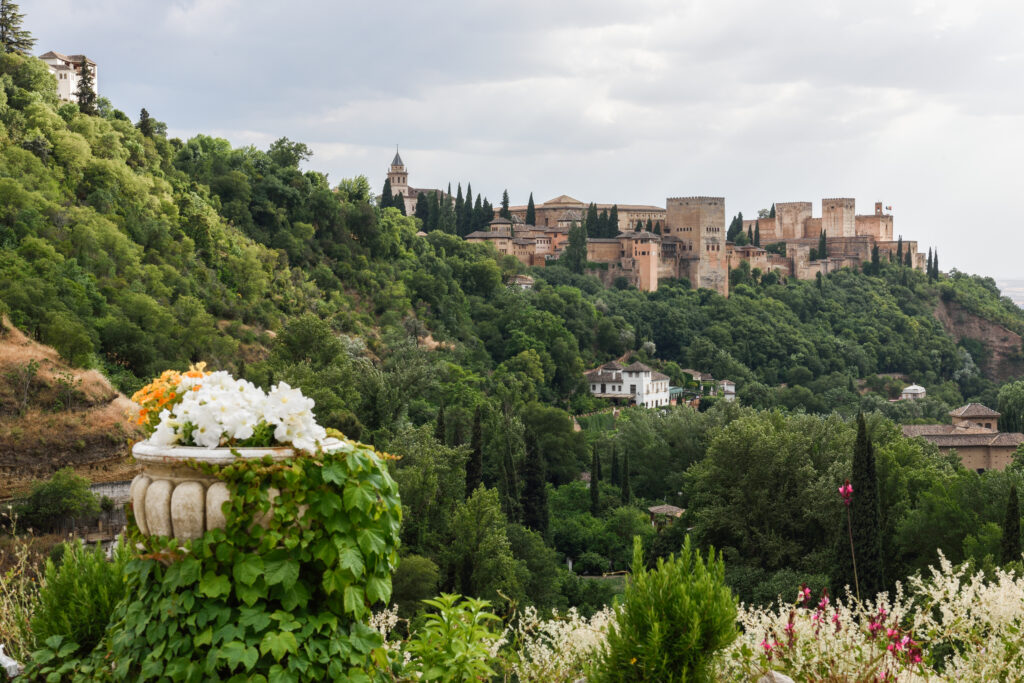
CROSSROADS, ASPARAGUS CAPITAL
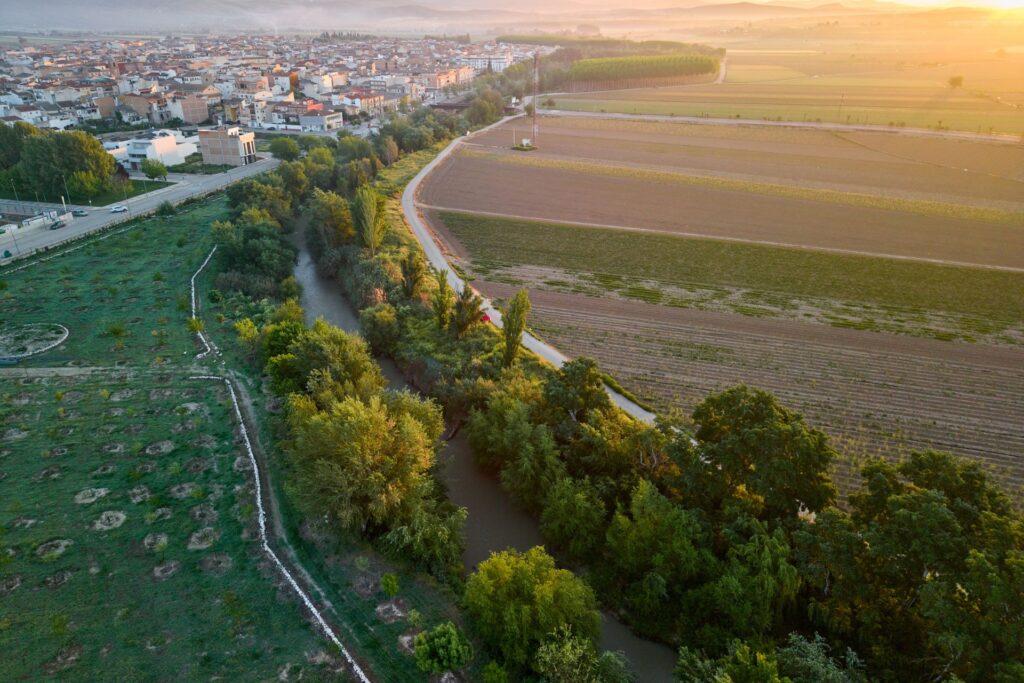
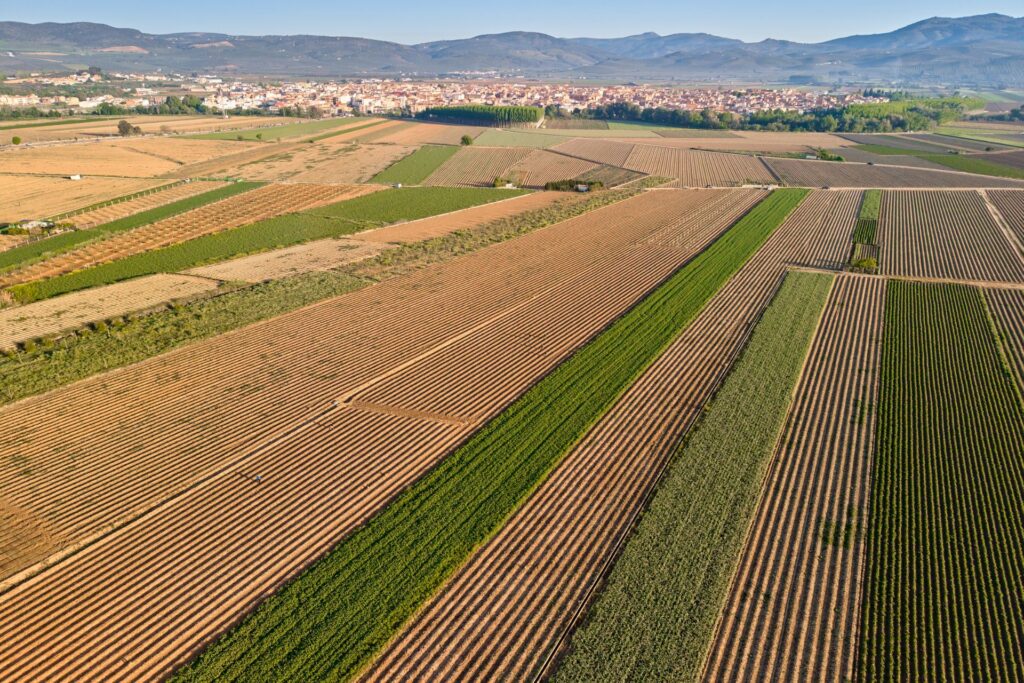
For centuries, Huétor Tájar has occupied a strategic position in the heart of the Loja region, where the commercial routes between Granada, Málaga, and Córdoba converge. This privileged location in the fertile plain of the Genil River has forged the entrepreneurial character of a town that today leads the national production of green asparagus, with more than 500 hectares of cultivation that produce 6 million kilos annually under the IGP Espárrago de Huétor Tájar quality mark, recognized in 2000 as a Protected Geographical Indication for its tender texture and characteristic flavor.
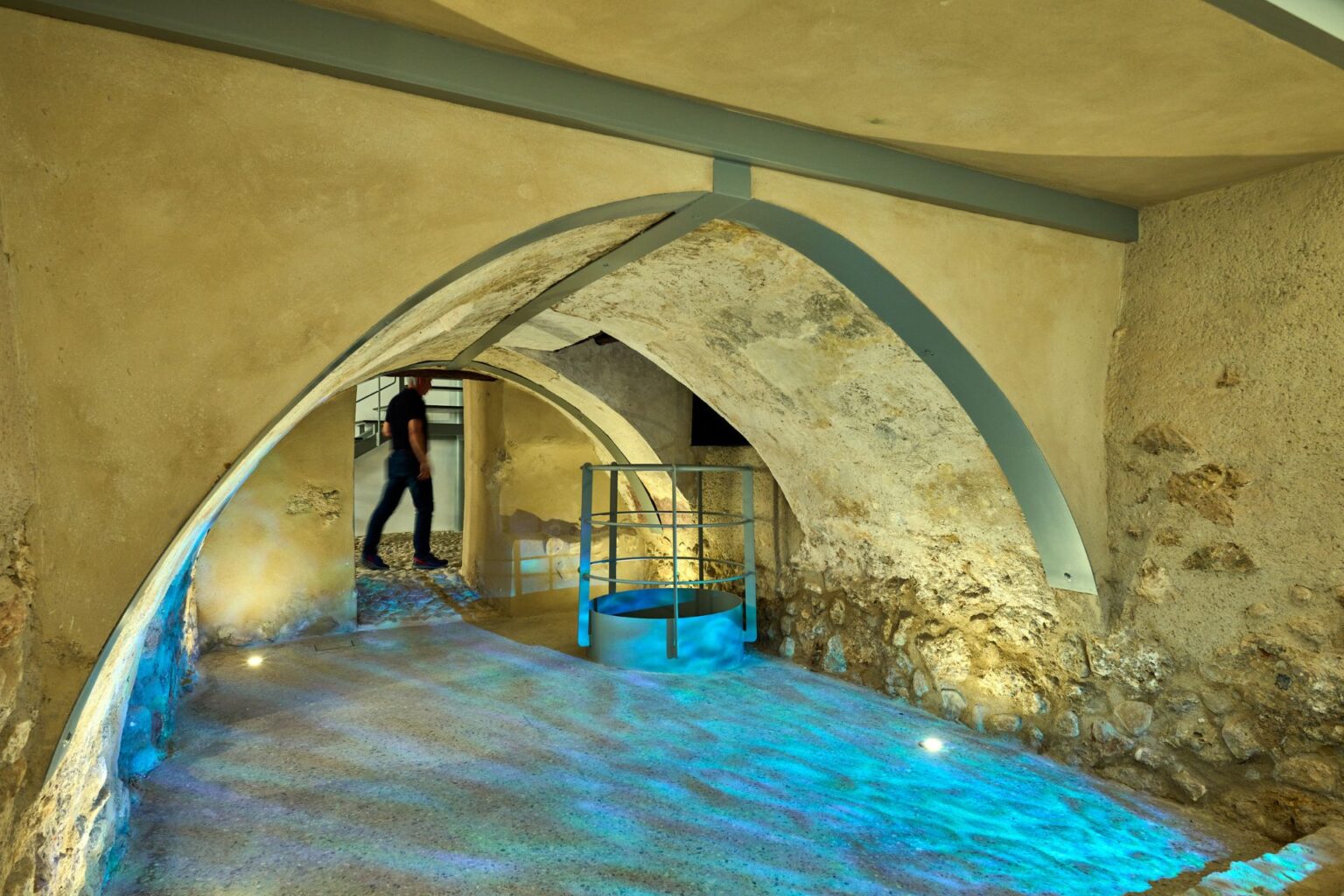
The textile industrial heritage defines the modern identity of the municipality. The San Rafael Factory, founded in 1905, came to employ more than 400 workers and marked the socioeconomic development of the region during the 20th century. Although it closed in 1991, its exposed brick warehouses remain as testimony to the golden age of Andalusian textiles. The old 18th-century Pósito, currently being rehabilitated to become an interpretation center, and the archaeological remains of the Roman villa of Los Lavaderos document the long history of human settlement in this territory.
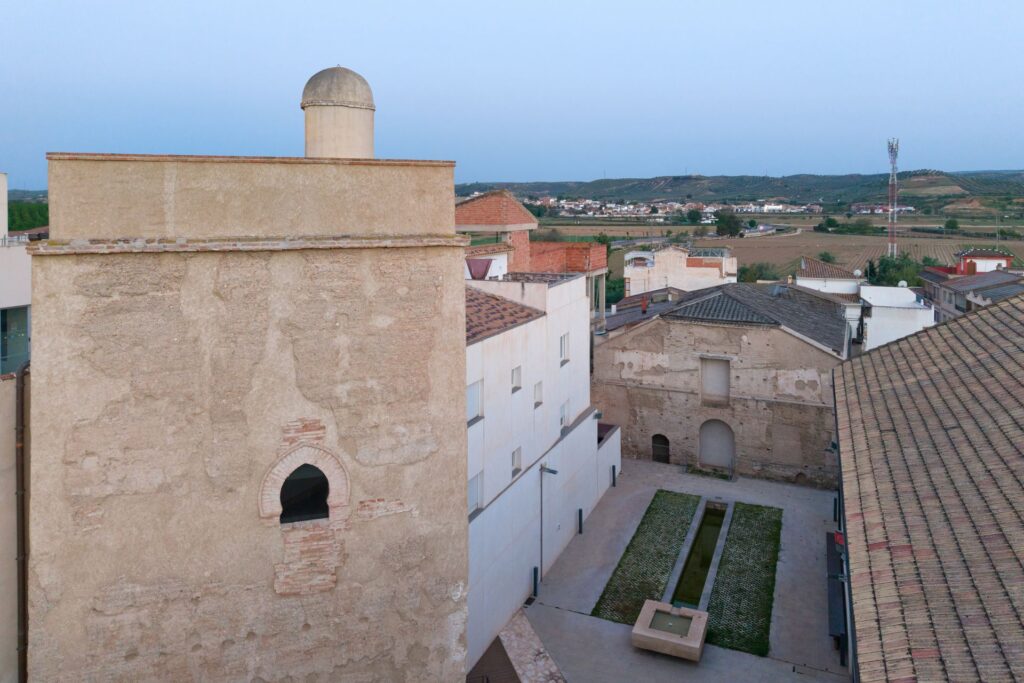
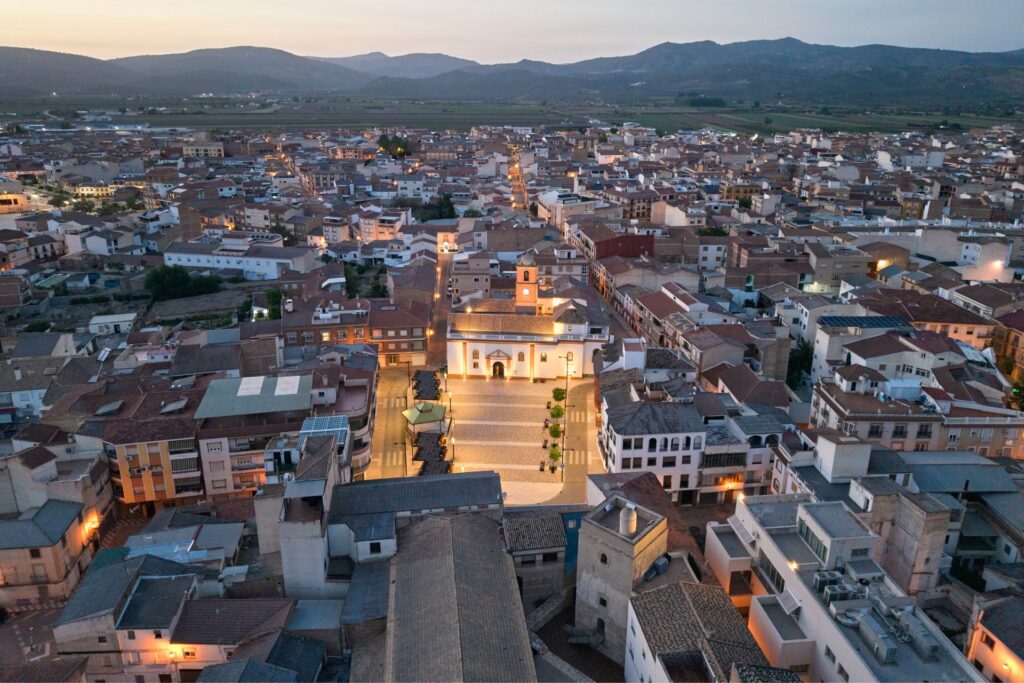
Watching from above, the Tower of Huétor crowns the Cerro del Castillo as a 14th-century Nasrid watchtower that controlled the passage between the kingdoms of Granada and Castile. From its 530 meters of altitude, it communicated visually with the towers of Íllora, Moclín, and Salar, weaving an invisible but effective defensive network. At its feet, the Parish Church of Santa Isabel combines in perfect harmony Mudejar, Renaissance, and Baroque elements since it was started in 1530 on the old mosque, highlighting its brick bell tower that dialogues with the industrial chimneys in the urban profile.
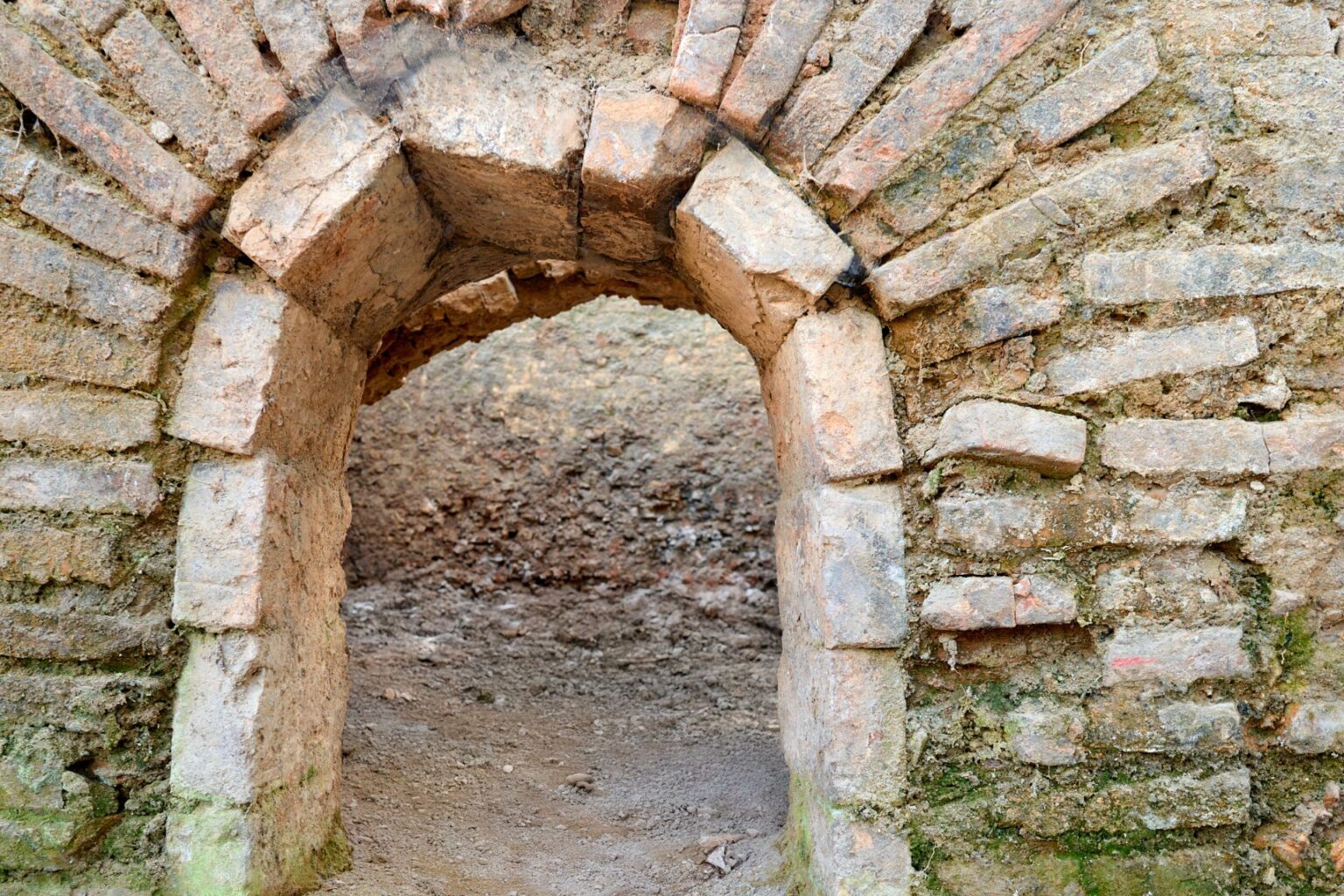
Water has always been the true wealth of Huétor Tájar. The irrigation system perfected since Arab times irrigates a plain that has produced asparagus since 1930, when the first experimental crops showed that the calcareous soil and the local microclimate created the perfect conditions. The restored public laundries and the 19th-century Fuente de los Cinco Caños continue to be meeting points where water reminds us that it is a source of life and wealth.
The Hueteña festivals celebrate that duality between tradition and progress. The Asparagus Festival in spring turns the streets into a large open-air restaurant where tortillas, scrambled eggs, and the innovative asparagus gazpacho are tasted. In July, the Fiestas de Santa Isabel keep alive the unique horse race, where riders at a gallop try to tear off the colored ribbons that their fiancées have embroidered. The February’s Candelaria illuminates the neighborhoods with community bonfires, and Carnival, with its critical street bands that spare no one, shows that humor is as important here as work.
The local gastronomy has elevated asparagus to the category of art without forgetting the traditional flavors: the andrajos with mountain hare, the gachas with puchero broth that comfort in winter, the remojón of orange and cod that refreshes in summer, and the pestiños with honey that sweeten any celebration. In Huétor Tájar, where asparagus grows among stories of kings and looms, each dish tells that this crossroads continues to be, above all, a place to stop and enjoy.