

AN OPEN BOOK OF THE HISTORY OF THE WEST
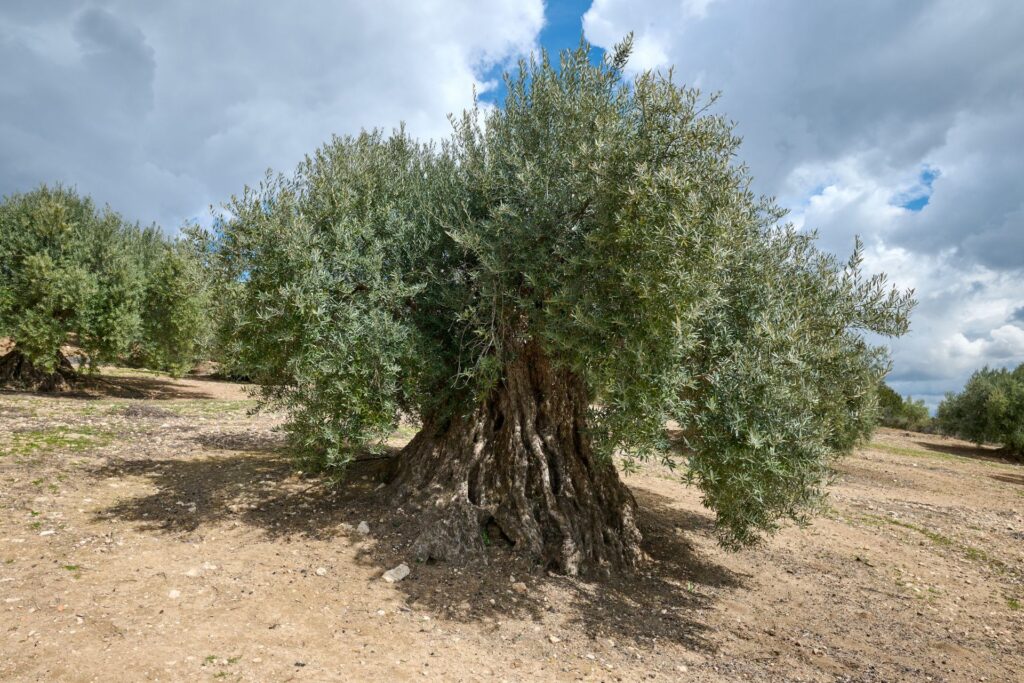
Íllora extends over a sea of centuries-old olive trees that produce one of the most awarded oils in the West of Granada. With more than 7,000 hectares of olive groves, mainly of the picual variety, the municipality has been able to combine tradition and modernity in its oil mills, where the liquid gold is extracted with innovative techniques but with the same traditional care as always.
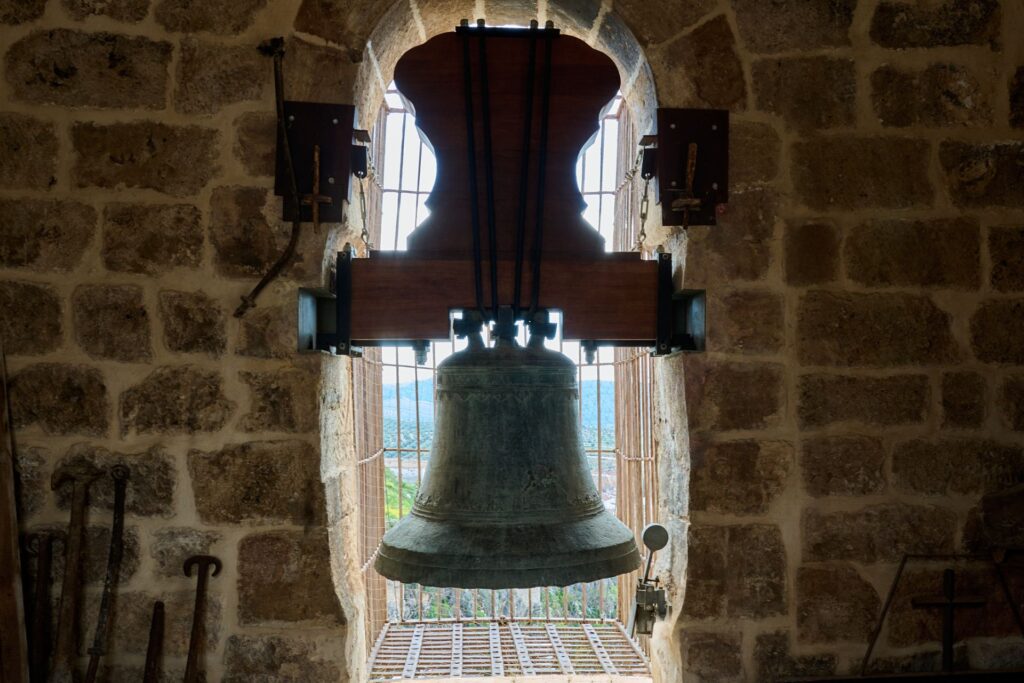
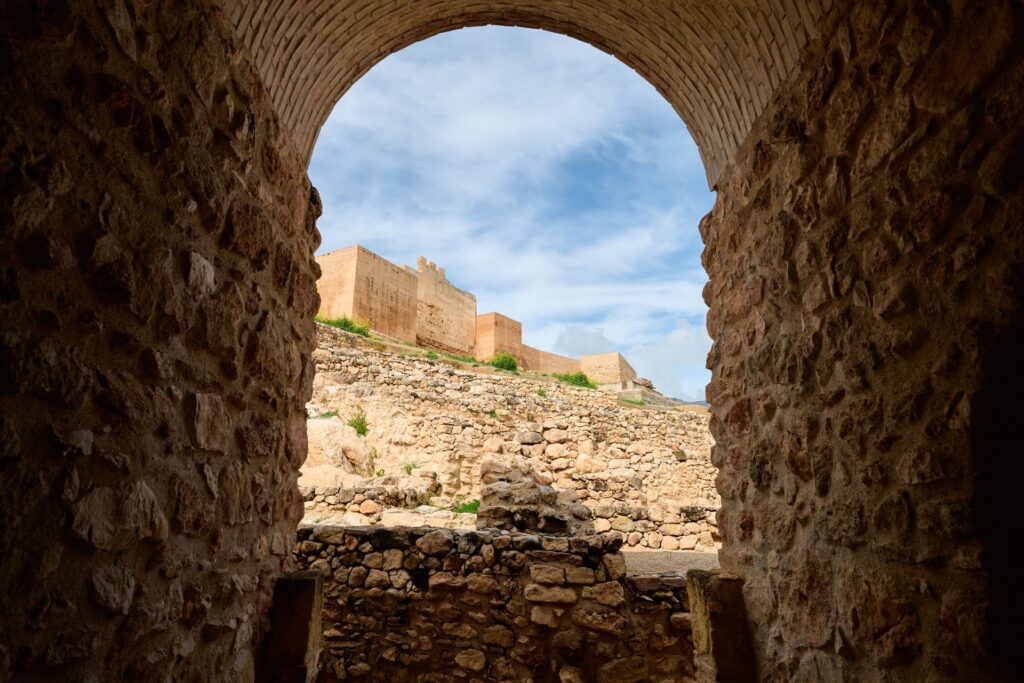
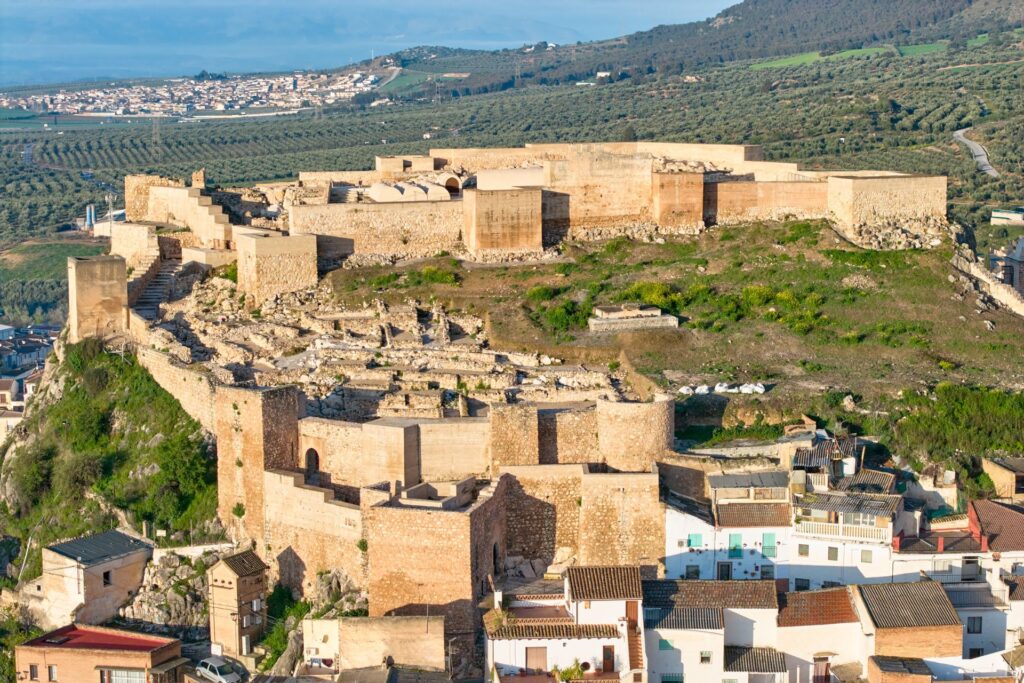
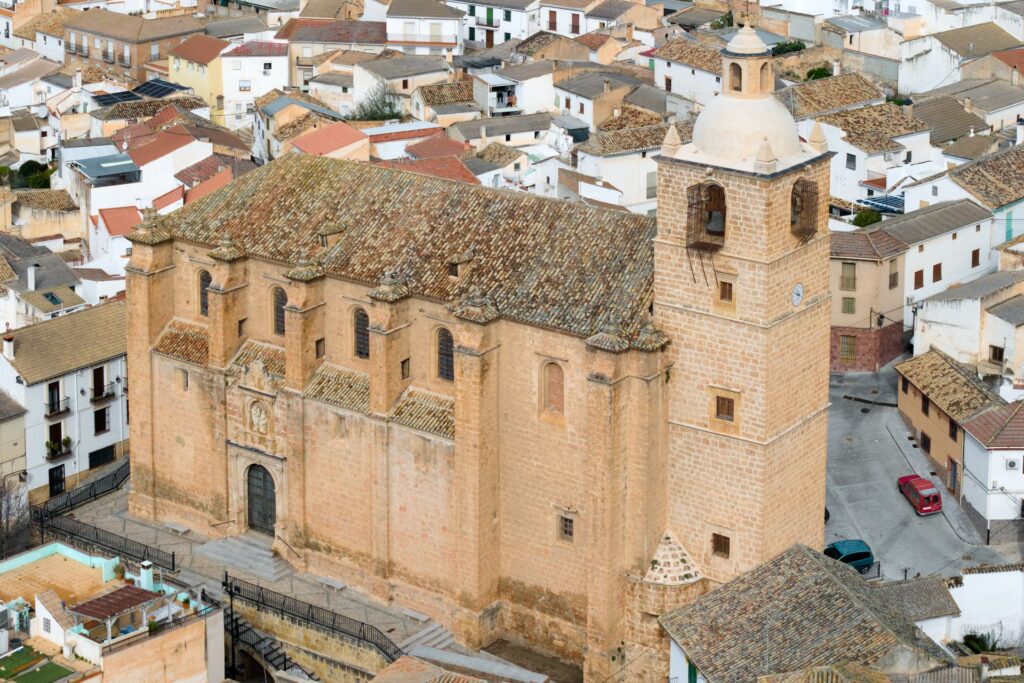
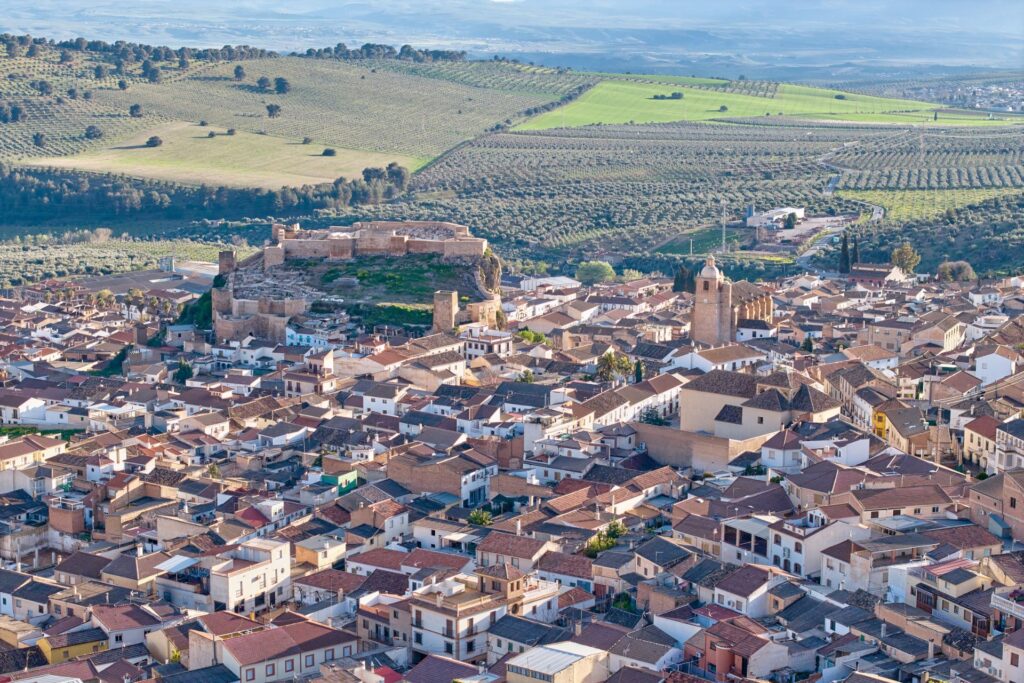
The Íllora Castle, an Arab fortress from the 11th century rebuilt by the Nasrids in the 14th, crowns the hill at 866 meters of altitude as a stone witness of the border that divided two worlds for centuries. Its rammed earth and masonry walls preserve the memory of when it was a key piece in the defense of the Kingdom of Granada. The Tocón Tower, the Enchanted Tower in Brácana and the Atalaya de la Mesa towards Alcalá la Real complete this defensive network visible from any point in the term. In the urban area, the Church of the Incarnation of the 16th century displays its Gothic-Renaissance transition architecture on the foundations of the old mosque – work of Diego de Siloé – and dialogues with the old Convent of San Pedro de Alcántara, current headquarters of the City Council. The Pósito from the 18th century and the Casa de los Títeres – an old hospital converted into a cultural space – complete a complex where each building narrates a different chapter of history.
Nature has also been especially generous with Íllora. The area of Soto de Roma preserves its spectacular 19th-century aqueduct that transports water to the Molino del Rey, while the Parapanda and Pelada mountain ranges dominate the horizon, being the traditional barometer: “when Parapanda has a cap, it rains even if God doesn’t want it.” The Tajos del río Genil offer deep gorges and emblematic routes such as the Gollizno or the ascent to the Cueva del Agua in Parapanda, discover landscapes where the silence is only broken by the wind.
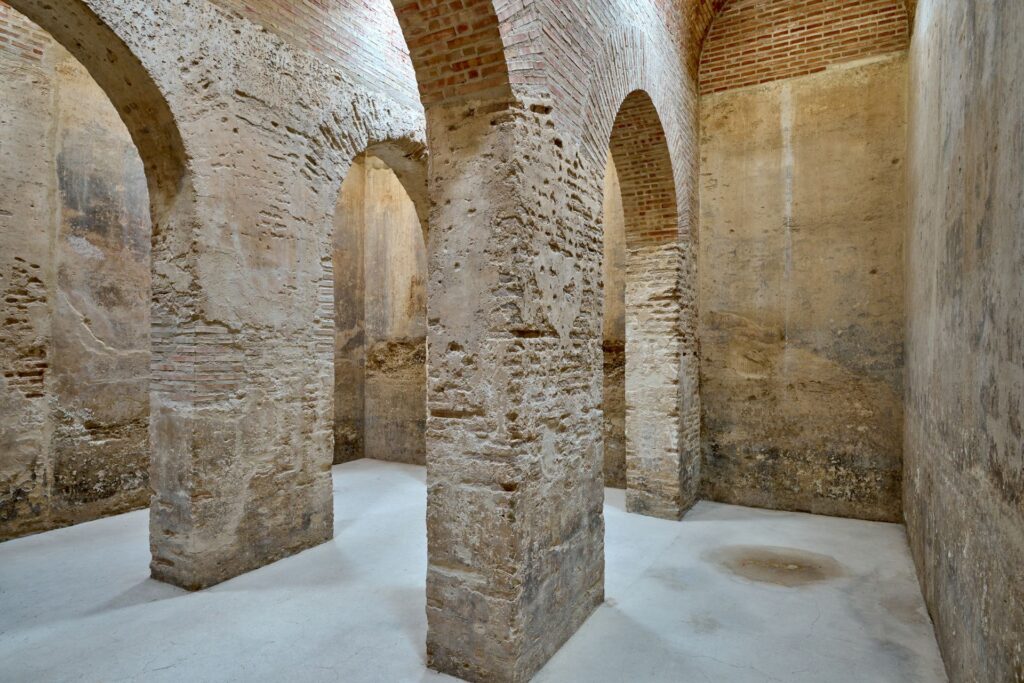
The three documented dolmens – Pedriza de los Majales, Loma de Ciaco and Pedriza de Guirao – next to the caves of Malalmuerzo and Las Canteras, testify to millennia of human presence since the Neolithic. The remains of Roman baths confirm that Ilurco cited by Pliny was here, turning Íllora into an open book of the history of the West.
But it is the Parapanda Folk that best defines the current character of the municipality. Since 1990, this festival declared of National Tourist Interest has placed Íllora on the international map of traditional music, hosting groups from the five continents every July in the Enrique Morente Amphitheater. This vocation to keep traditions alive extends to the Real Feria de Ganado in October, the Candelarias in February or the unique ritual of “tying the devil” in Brácana.
On the Ilurquense table, extra virgin olive oil is the protagonist of each dish: it bathes the hole of hot bread, gives body to the migas with tropezones and enriches the local gazpacho, thicker than the granadino. The wild asparagus, the collejas in tortilla, the choto al ajillo and the gachas de mosto complete a gastronomy where each recipe tells stories of the countryside and work. In Íllora, among millenary olive trees and a festival that looks at the world without forgetting its roots, the visitor discovers a territory that is not only traveled: it is lived with all the senses.