
Loja

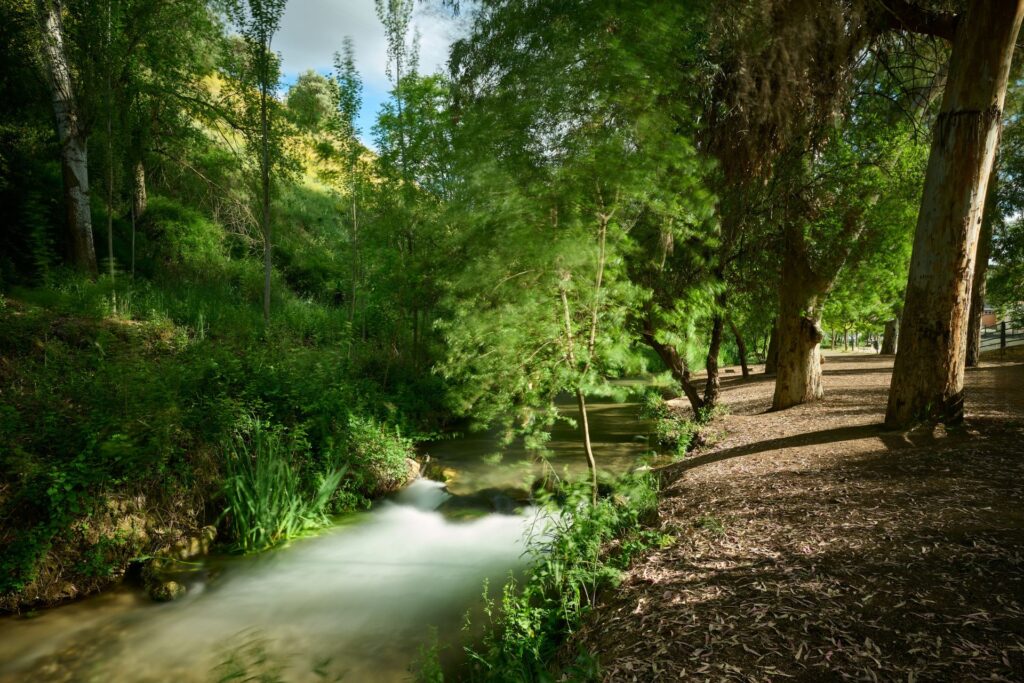
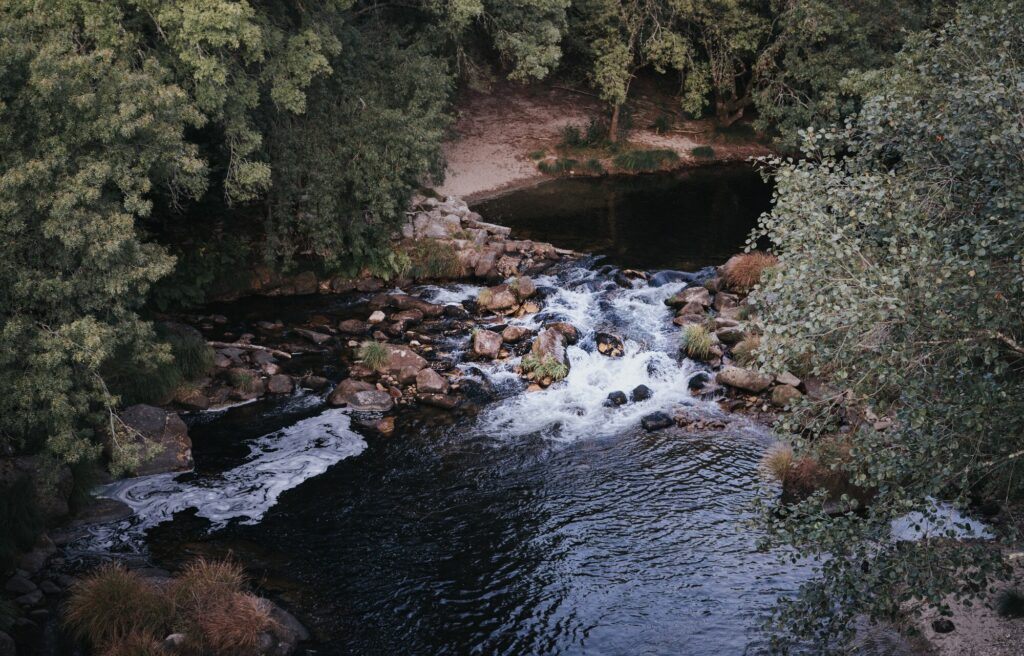
Pequeña cascada de agua en un río

THE BORDER TOWN THAT IS A MUSEUM OF WATER
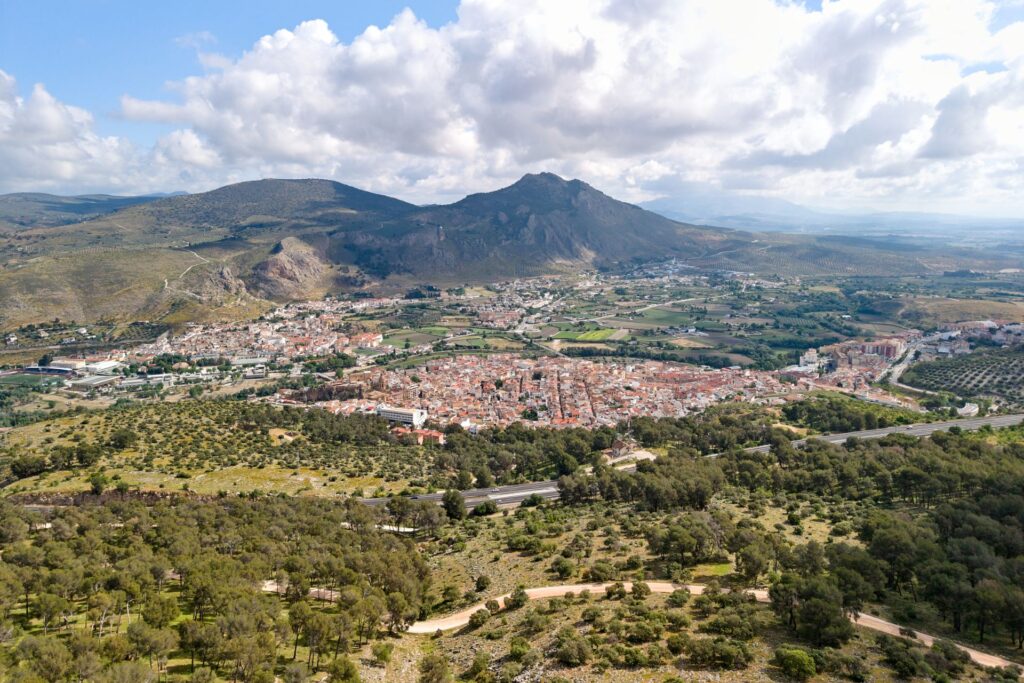
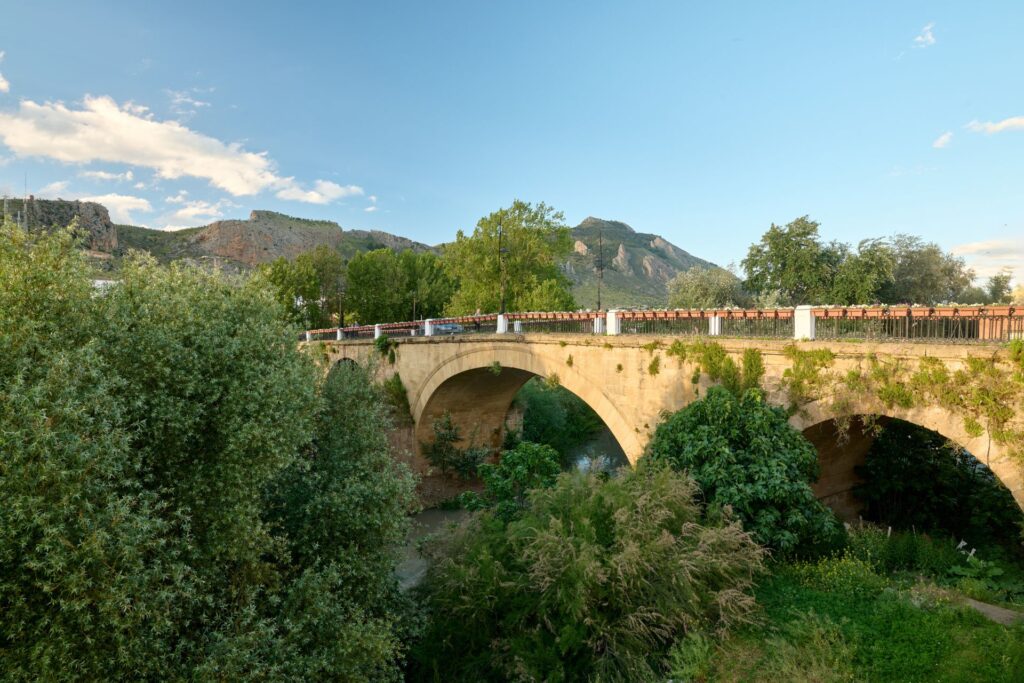
Loja dominates from its narrow Genil valley as it passes through the Sierra de Loja and the Monte Hacho, proudly displaying its rich heritage from every viewpoint. A true border town, it was the setting of feats that shaped the history of Spain: from the conquest in 1486—when Gonzalo Fernández de Córdoba, the Great Captain, captured Boabdil after being the first to scale the wall—to becoming the birthplace of the ‘Espadón de Loja,’ Ramón María Narváez, born here in 1799, who served as President of the Council of Ministers seven times during the reign of Isabel II. Between these two giants of history, the city has written its own epic, with water once again as the true protagonist.

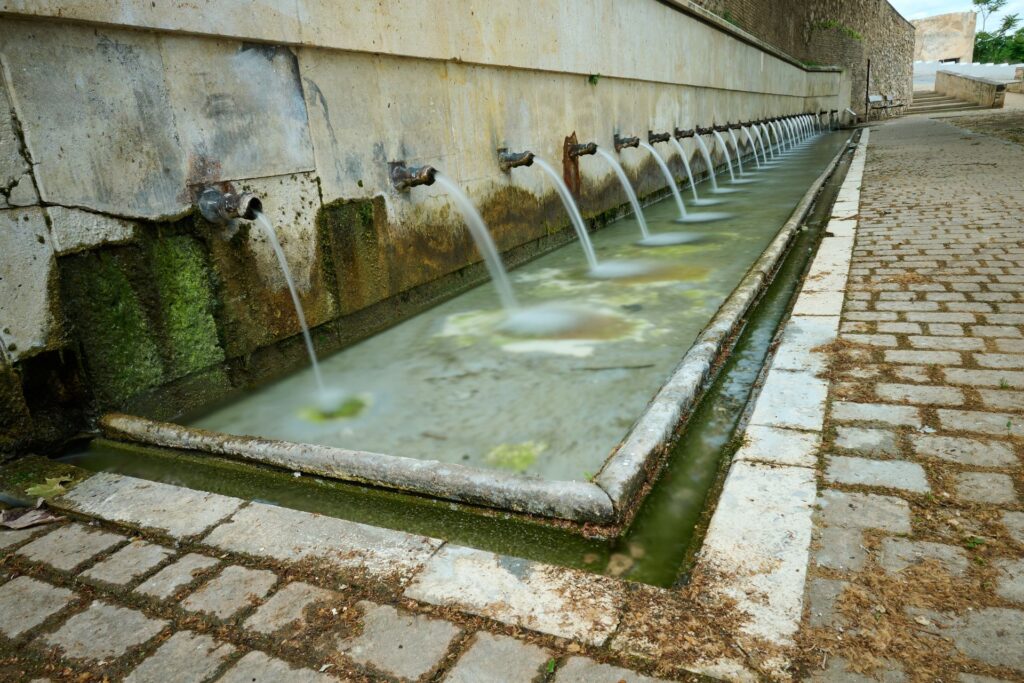
The environmental heritage in Loja is mainly due to water filtered from the mountain range. The Nacimiento del Frontil allows visitors to see water springing from the earth, forming a small lake, while there are more than 100 registered fountains in the town, some of which have never stopped flowing, even during droughts. The Fuente de los 25 Caños or de la Mora, of Muslim origin, carries the legend that whoever drinks from each spout will find love that year, while the Fuente Santa is known for the medicinal properties of its waters. This abundant water supply makes Loja a living museum of water, with its Water Interpretation Center testifying to this millennia-old relationship. The natural surroundings also offer multiple trails such as the Ruta de Sierra Martilla, the Sendero de la Cruz del Periquete, which rises to 1,000 meters altitude, and the Infiernos de Loja, a place of spectacular beauty where streams converge, forming waterfalls and natural pools. The Charco del Negro in the Sierra Gorda hosts an important population of gallipato, an endangered endemic species.
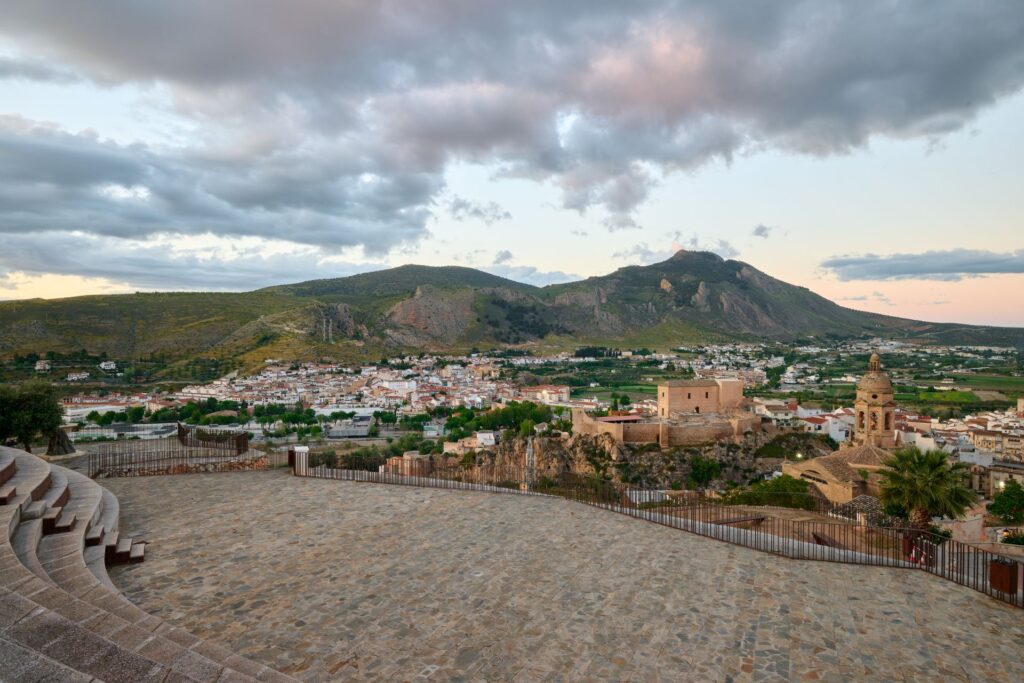
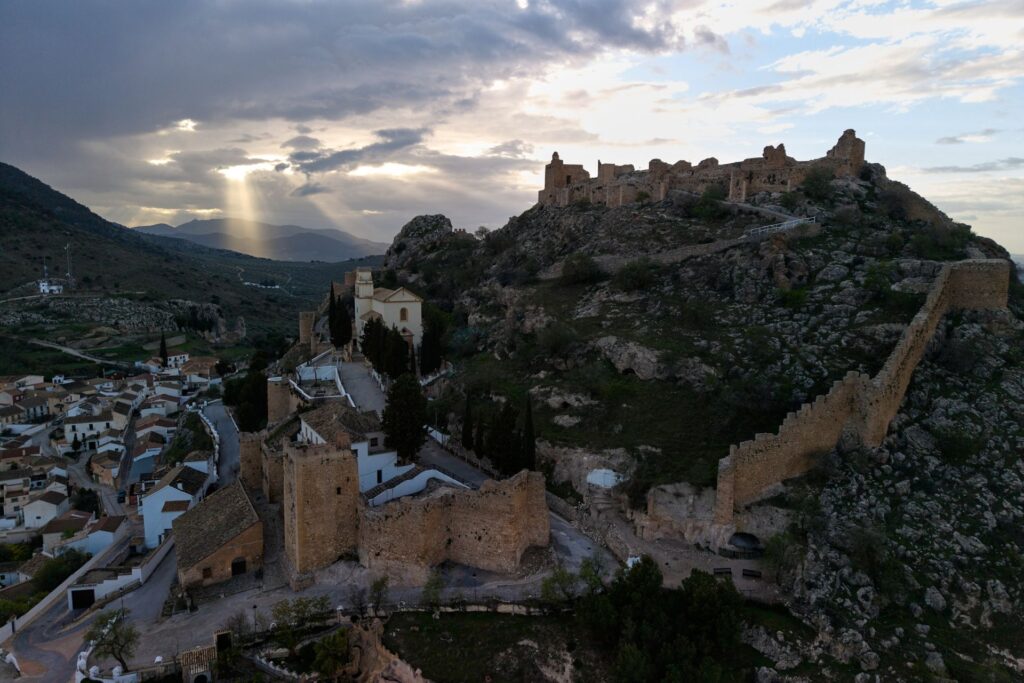
Mirador de Isabel I de Castilla
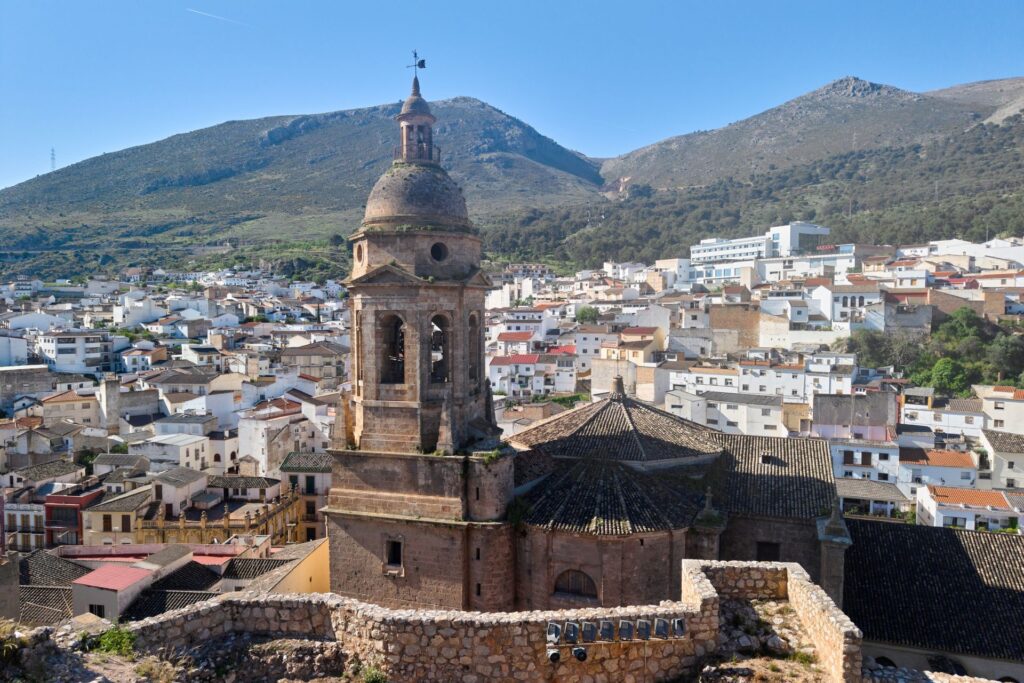
Its monumental heritage also reflects the layers of an exceptional history. The Alcazaba, declared a Site of Cultural Interest, was the only walled neighborhood remaining from the ancient Muslim Medina Lawsa, preserving the Keep Tower with its Kufic inscription that reads ‘Allah is One’ and the cistern with a capacity of 286 cubic meters. The Church of the Incarnation, the work of Diego de Siloé, speaks from its watchtower to the profile of the Alcazaba, while the palace of General Narváez, now the City Hall, and his mausoleum keep alive the memory of the most influential politician of 19th-century Spain.
The Semana Santa of Loja, declared a Festival of Tourist Interest of Andalusia, stands out for its unique ‘Incensarios,’ figures unique in Spain documented since 1765, groups of eight members who wear the characteristic ‘morrión’ decorated with beads. Also notable are the Roman ‘armaos’ and the peculiar character of ‘tío Puchi-Puchi,’ along with the emotional ‘Corrílla’ on Good Friday, when the thrones swiftly ascend to the Hermitage of Jesus.
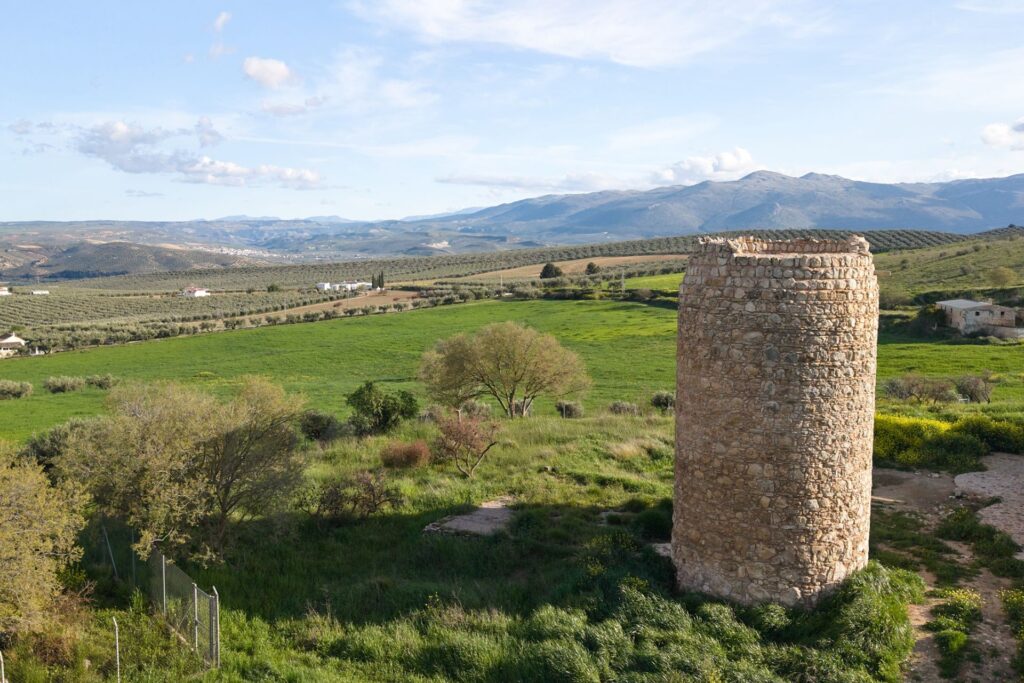
Torre Agicampe de Loja Poniente de Granada
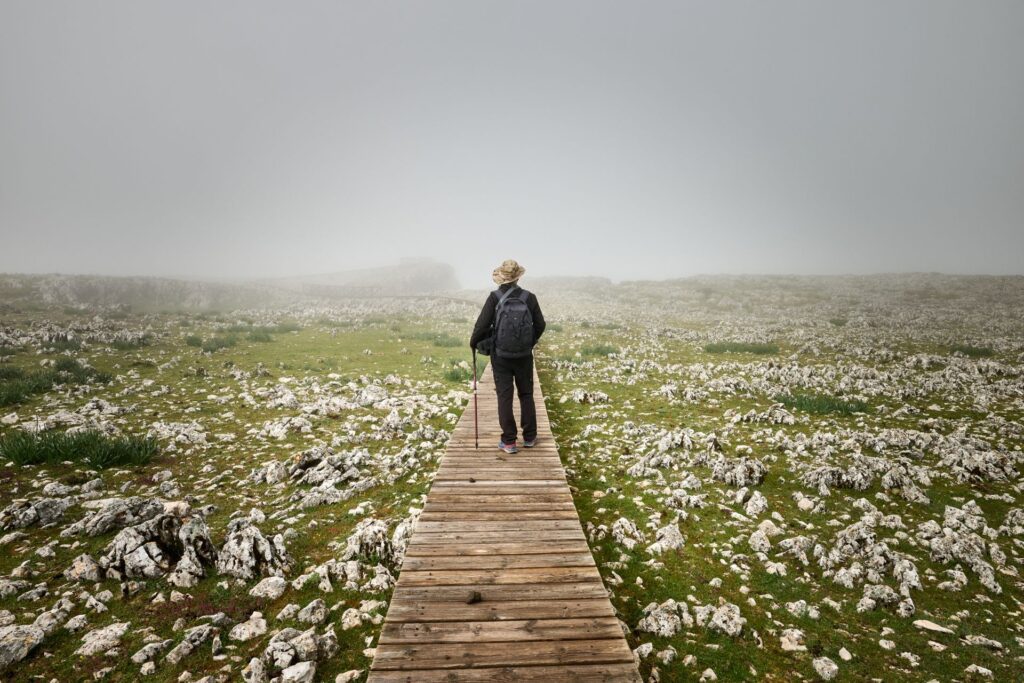
sierra gorda de loja poniente de granada
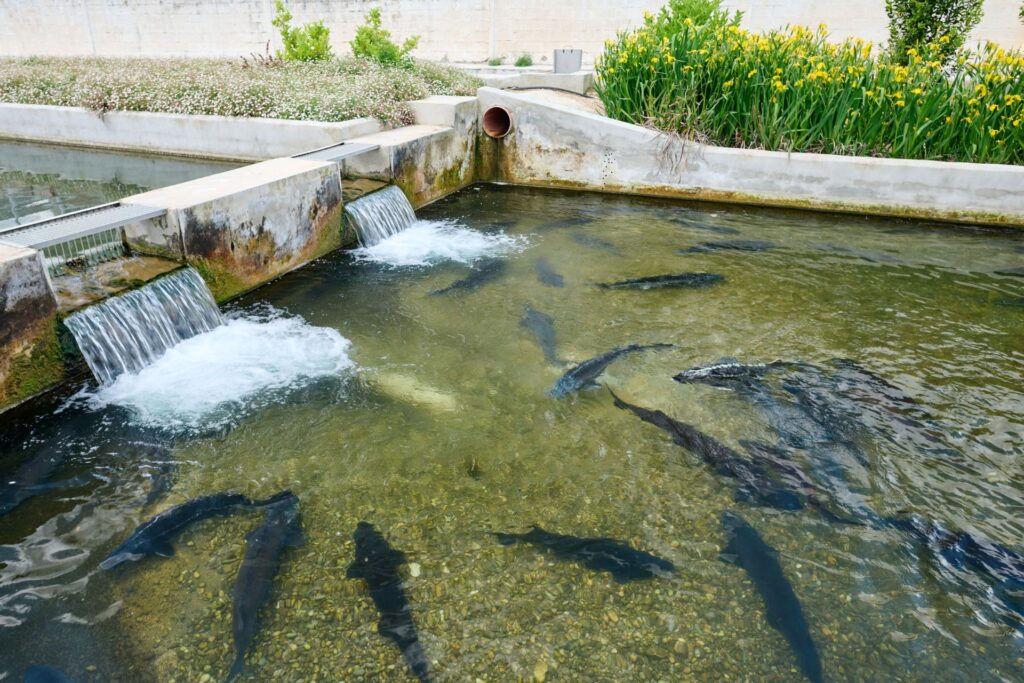
But if anything projects Loja into the future, it is its gastronomic uniqueness. In the village of Riofrío, since 1963 a fish farm has operated that has become the world’s largest reserve of ecological sturgeons, producing the first certified organic caviar on the planet since the year 2000. Female sturgeons are raised in the waters that spring from the mountains at a constant temperature of 14-15 degrees Celsius. This ‘black gold’ of Riofrío, which competes with the best caviars in the world, represents the evolution of a city that has transformed its natural resources into products of international excellence.