
Ventas de Zafarraya

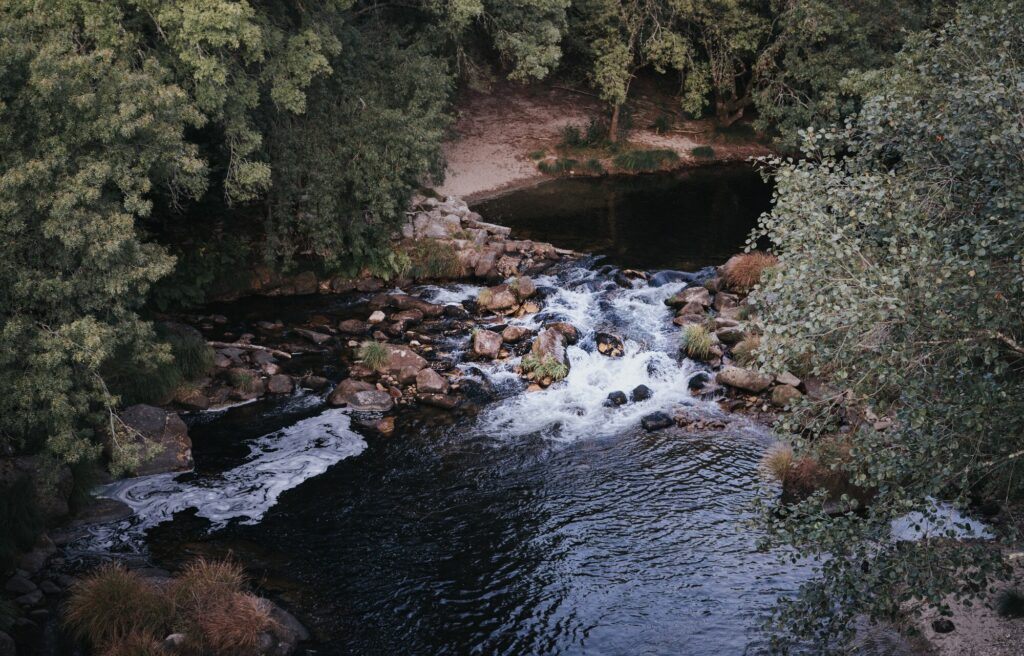
Pequeña cascada de agua en un río

A PLACE OF PASSAGE THAT BECAME A DESTINATION

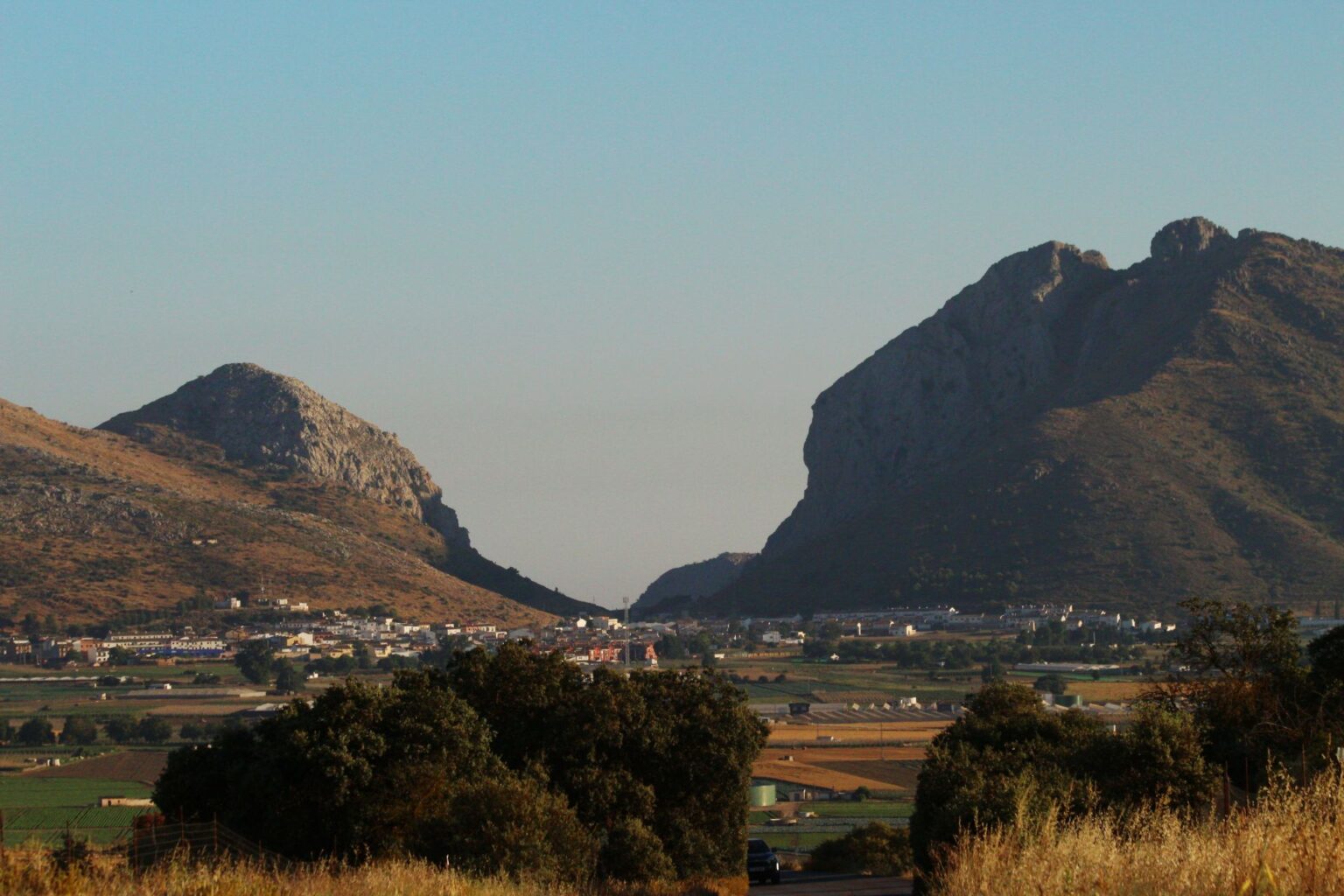
Ventas de Zafarraya is a strategic enclave that for centuries has served as a gateway between Granada and the Axarquía of Málaga. The town has managed to transform its border position into a driver of prosperity.


The territory holds memories from ancient times. The first inhabitants of the Llano de Zafarraya date back to the Middle Paleolithic, when humans lived in Boquete Cave, where important Neanderthal remains were found, including the famous ‘Man of Zafarraya’. Modern history begins with a roadside inn at the Boquete, next to the Granada-Málaga Royal Road, an origin that forever marked its commercial and travel character. Another access route to Llano de Zafarraya was the ‘Camino de los Arrieros’ from Vélez-Málaga through the Castillejo, used by transhumant livestock—a historic route that kept trade alive between the coast and the interior for centuries. The 1884 earthquake was also a dramatic turning point, and reconstruction was almost entirely funded by money from the then Spanish province of Cuba, which led the town to be known as Nueva Habana in subsequent years.
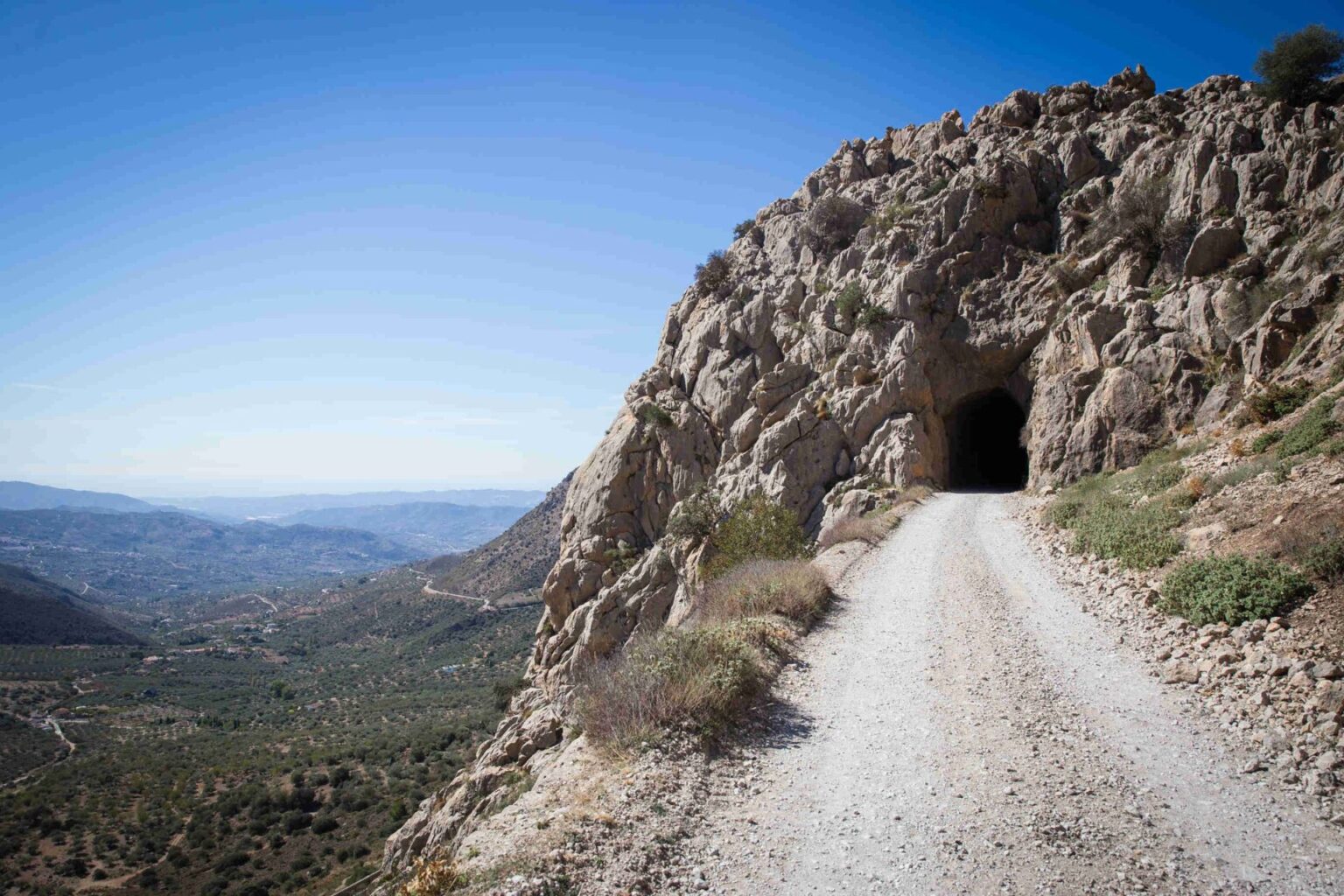
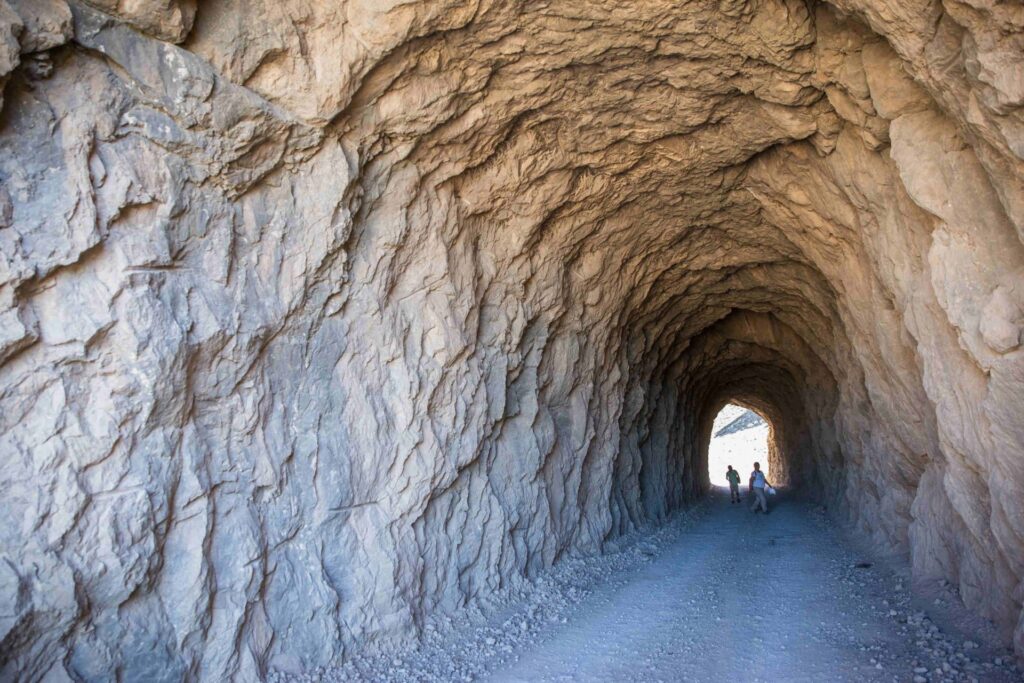
Its most emblematic feature is the spectacular Boquete de Zafarraya, a unique geological formation, a natural passage between the provinces of Granada and Málaga, wedged between two imposing limestone cliffs. This millenary formation is the defining element of the local landscape and history, while the railway — active from 1922 to 1960 — marked the golden age of the town, whose landscape is dominated by the Polje de Zafarraya: a karst depression of exceptional fertility that has shaped the local economy.
Mirador Ventas de Zafarraya Poniente de Granada
The local gastronomy reflects influences from both Granada and Málaga. While it shares dishes with Zafarraya such as sopas cachorreñas, ajo blanco, and cold morrete, Ventas de Zafarraya’s cuisine is enriched by products from the local gardens, creating a unique blend between mountain tradition and the abundant horticultural bounty of the plain.
Ventas de Zafarraya remains what it has always been: a place of passage that became a destination. Where muleteers once rested their mules, today hikers traverse ancient paths. In this town that rose from its ashes with a Cuban name, that saw rack locomotives pass through, beats the tireless pulse of a territory that has never ceased to reinvent itself without losing its essence as a roadside inn, a refuge among mountains, an always open gateway between two worlds.