

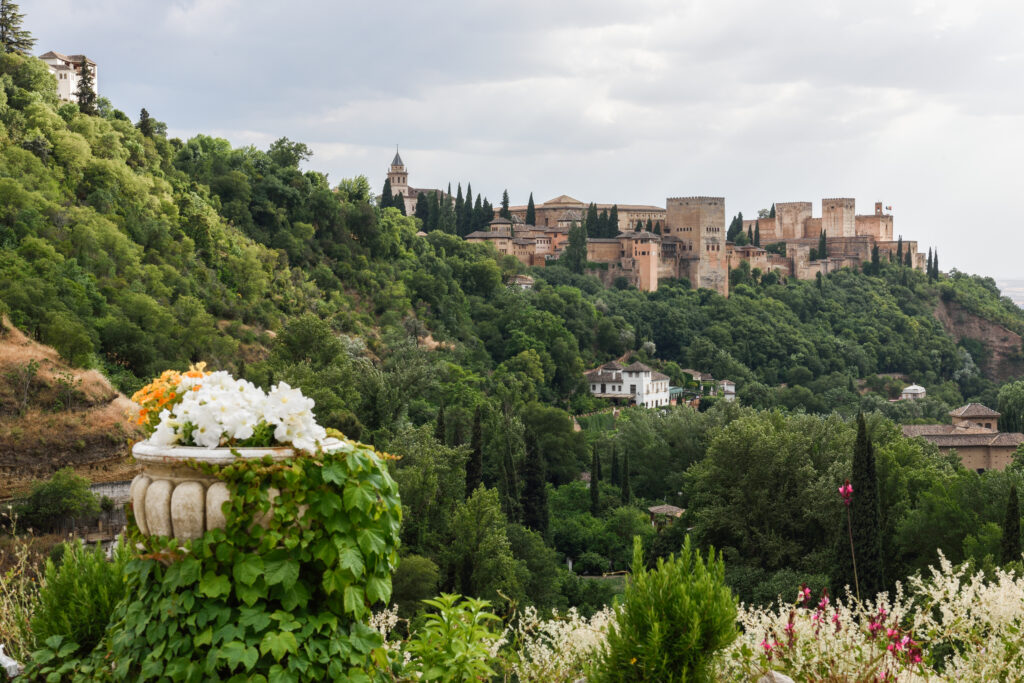
THE GENEROUS PLAIN OF THE WEST
The municipality of Villanueva Mesía, which spreads across fertile lands in the center of the Loja region, has grown at the steady pace of the harvests and is marked by the passage of the A-92 highway, which provides a direct exit to the town. Tradition places the original settlement at a primitive Venta del Río, likely of Arabic origin. For more than two centuries, these lands formed the frontier between the Kingdom of Granada and the Christian Kingdom of Castilla. After the Reconquista, it became the lordship of Villanueva de Mesía.
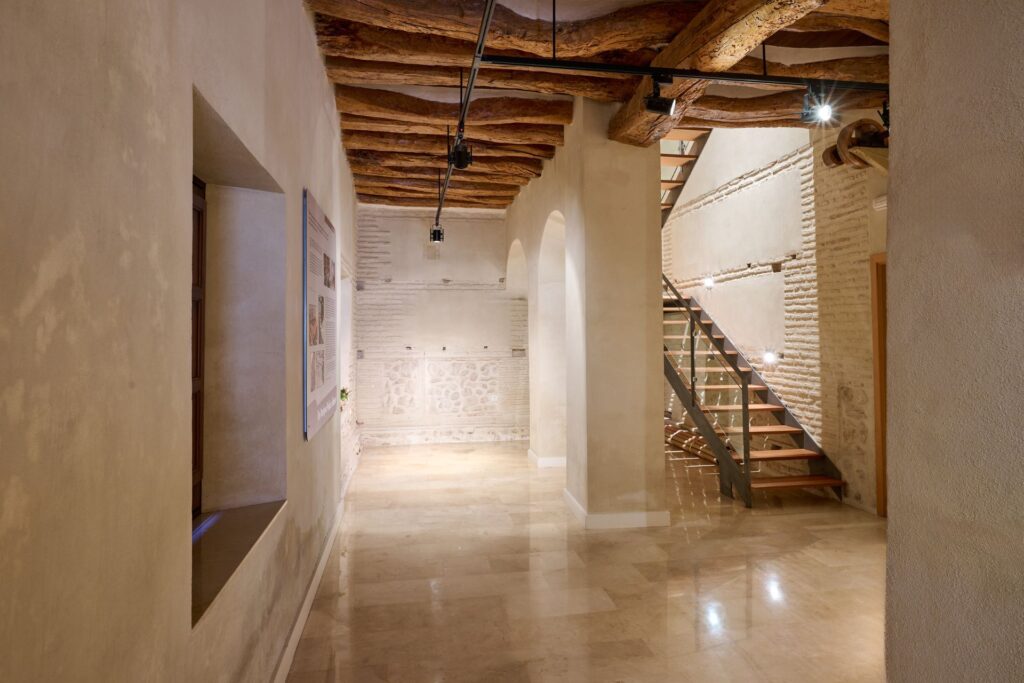
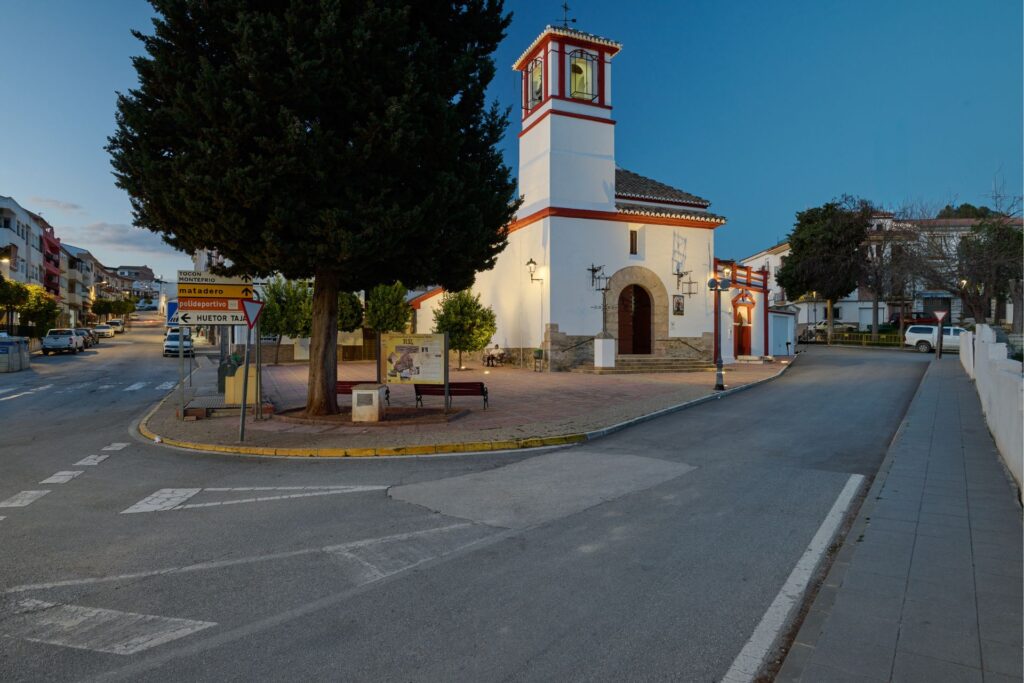
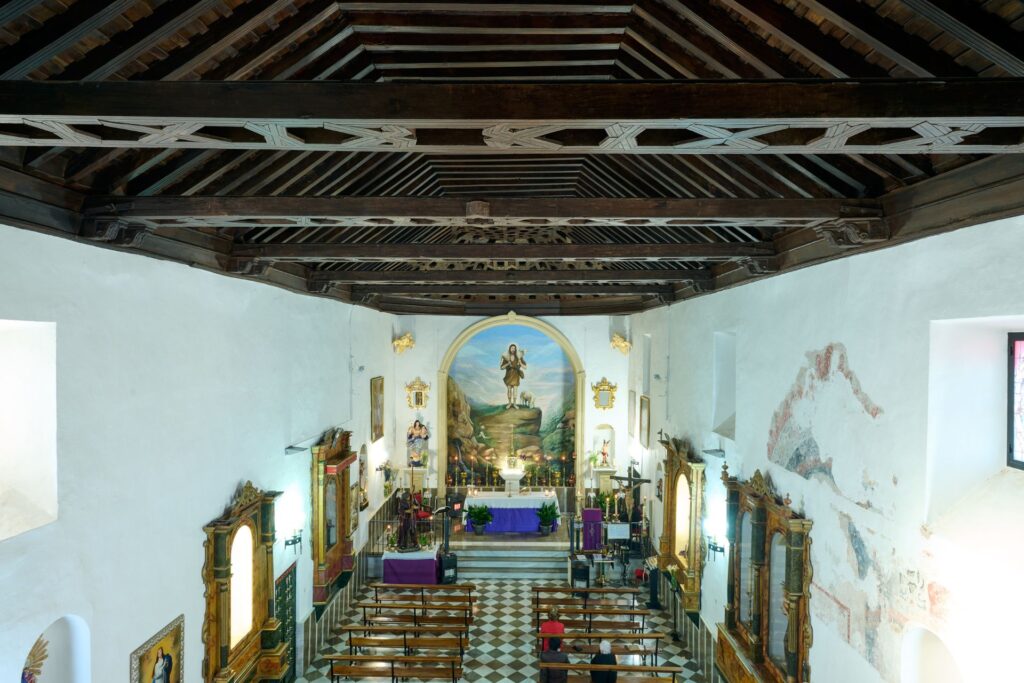
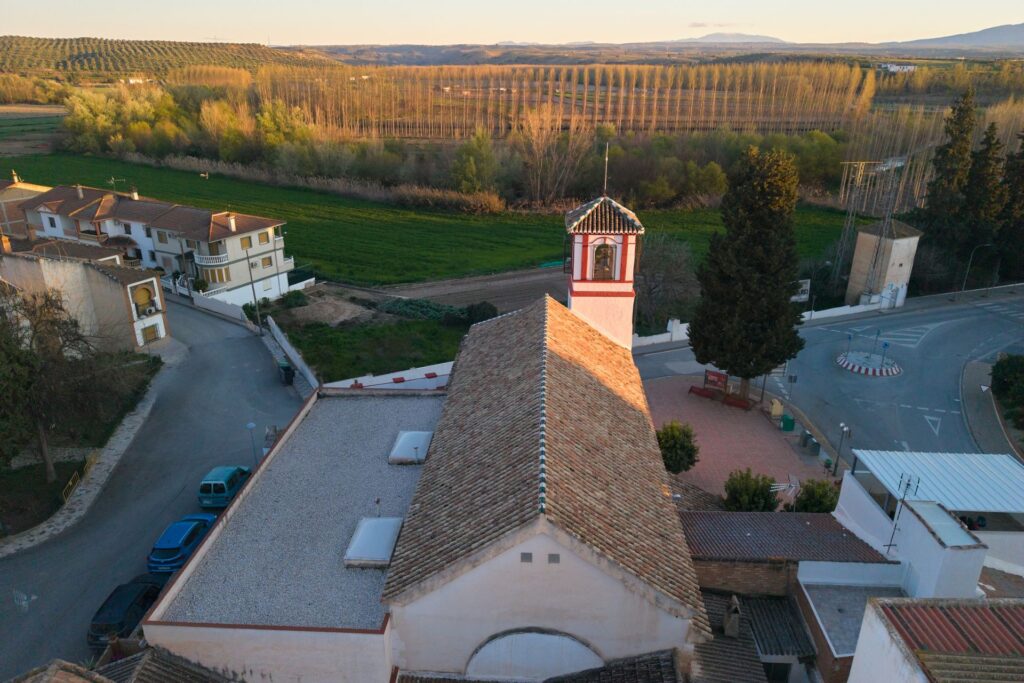
The Parish Church of Our Lady of the Dawn, a 16th-century Mudejar temple, preserves the original wooden choir structure and the tomb of Doña María Silva de Cisneros from 1679. Adjacent to it, the Tahona or 17th-century Granary now houses the local museum and the Interpretation Center of the Prehistory of the Poniente Granadino.
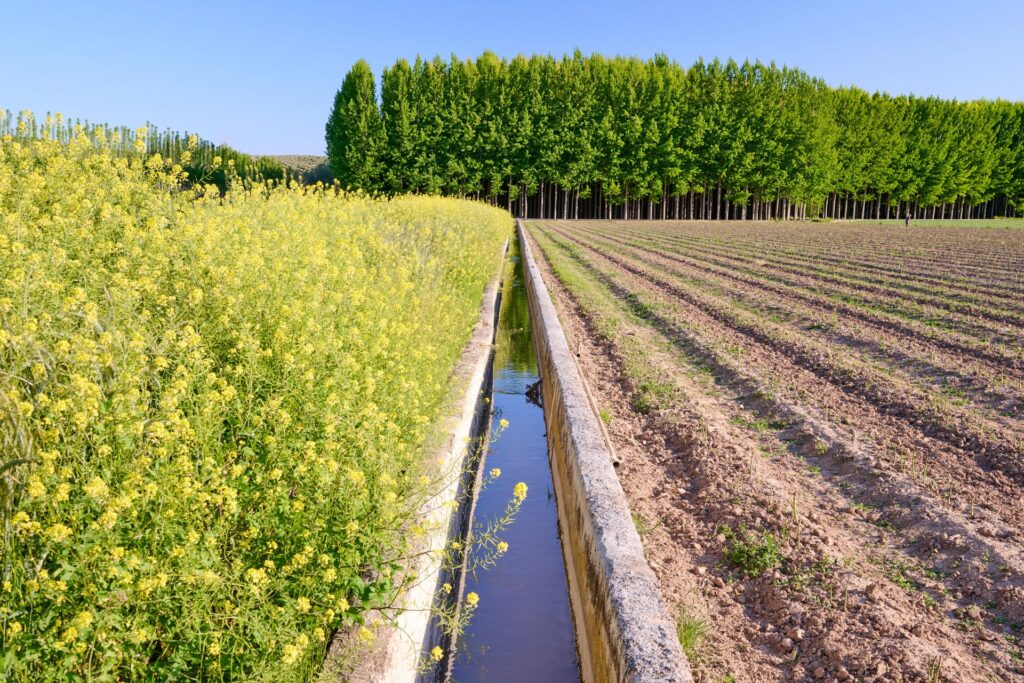
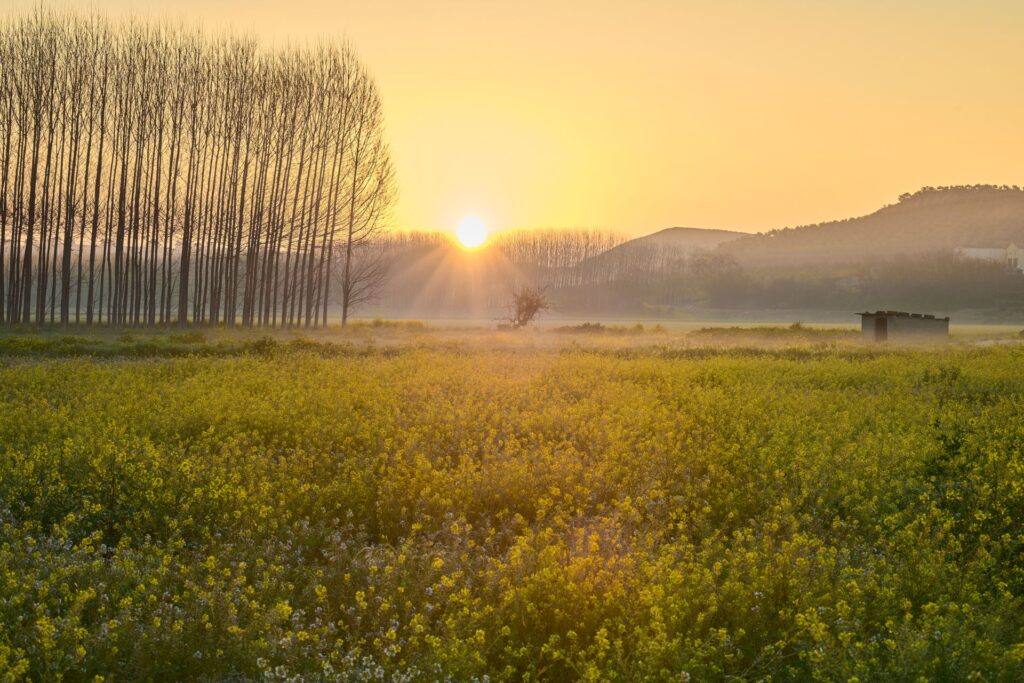
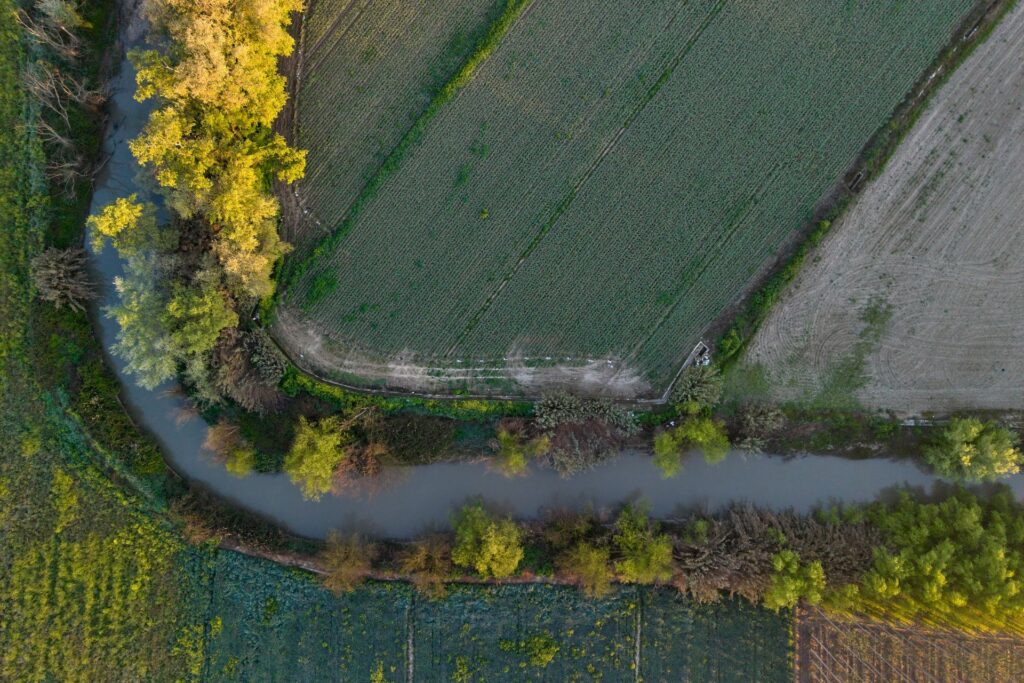
The landscape is defined by rivers and the fertile plains. A bridge crosses the Cacín River, connecting the two halves of the town, while from the Plaza del Visillo one can enjoy panoramic views of the Genil plain with its poplar groves and orchards. The Arroyo de los Pinares, the dam, and the Andalusian irrigation systems complete a hydraulic heritage that has shaped the territory for centuries. It’s no wonder, then, that the local cuisine celebrates the orchards: remojón (potatoes and orange salad), pipirrana, porra malena, stewed snails, and asparagus salad.
La Candelaria, on February 2nd, is the most deeply rooted festival: a large family bonfire is lit, and the next day rosquillas (small ring-shaped pastries) are eaten; while in mid-October, the Feria de Ganado recovers its historic role as a regional meeting point. Villanueva Mesía is the generous plain of the West, where the waters of the rivers have written a history of patient work and peaceful life. It is a place that invites discovery of the last frontier of Granada from the serenity of its fields, where time flows to the rhythm of the irrigation channels and the seasons mark the pulse of life.