
Moclín

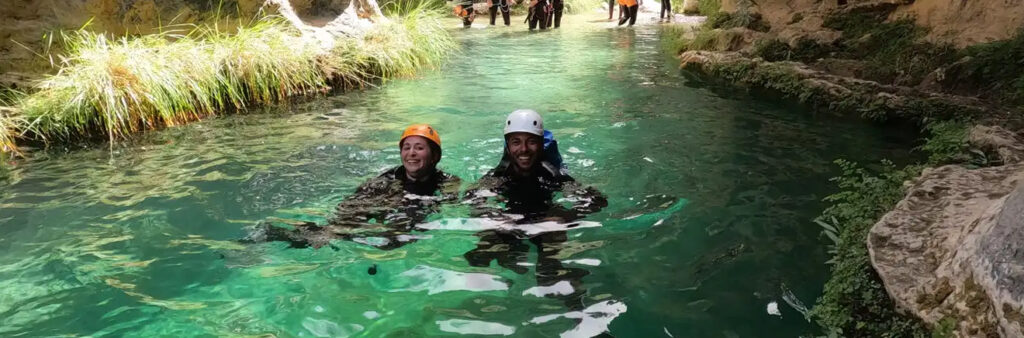
rio en el que se ven dos personas felices con casco en el agua

THE TRUE COAT OF ARMS OF THE KINGDOM OF GRANADA
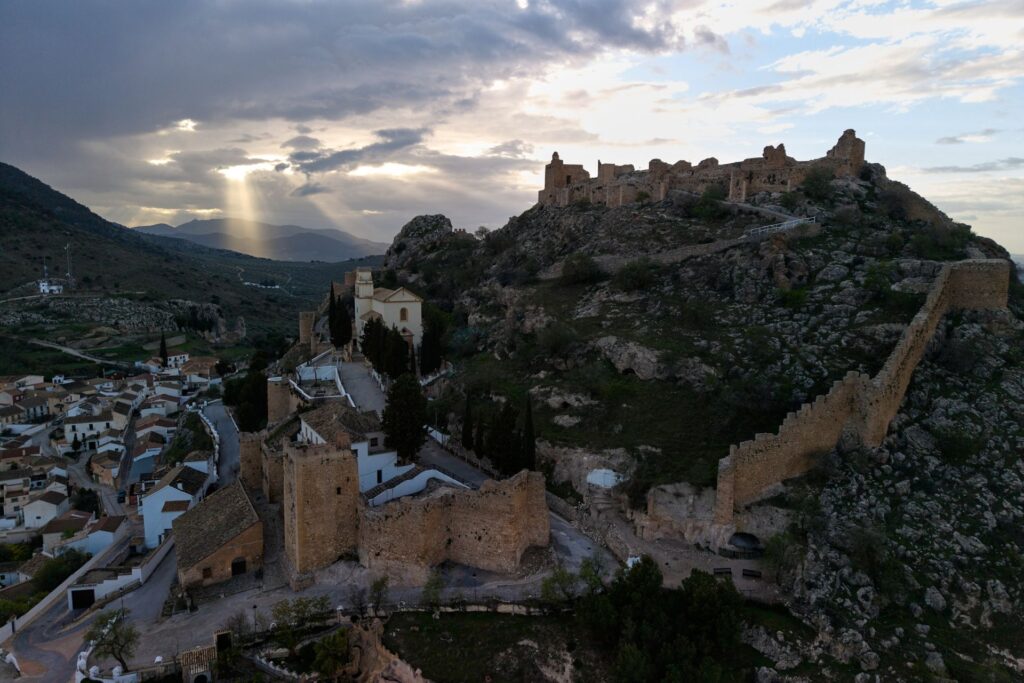
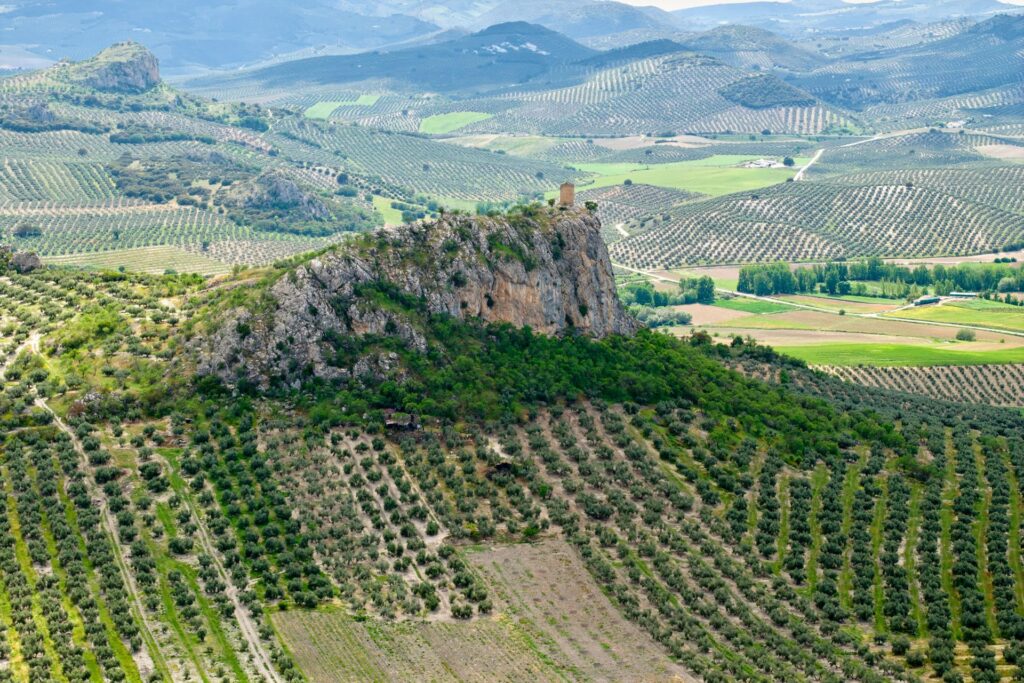
Moclín rises like a stony sentinel on its hill over a thousand meters above sea level, dominating the strategic passage between Alcalá la Real and the Vega of Granada. Known as Hisn al-Muklīn during the Muslim era, this fortress was the true ‘shield of the Kingdom of Granada,’ a role it maintained for almost a century and a half of border resistance. Here, where in 1486 the Catholic Monarchs established their court after the conquest, every stone tells stories of epic battles such as the Christian disaster of Malalmuerzo in 1424, when Castilian troops fell into a Nasrid ambush while resting by the spring that still bears that name.
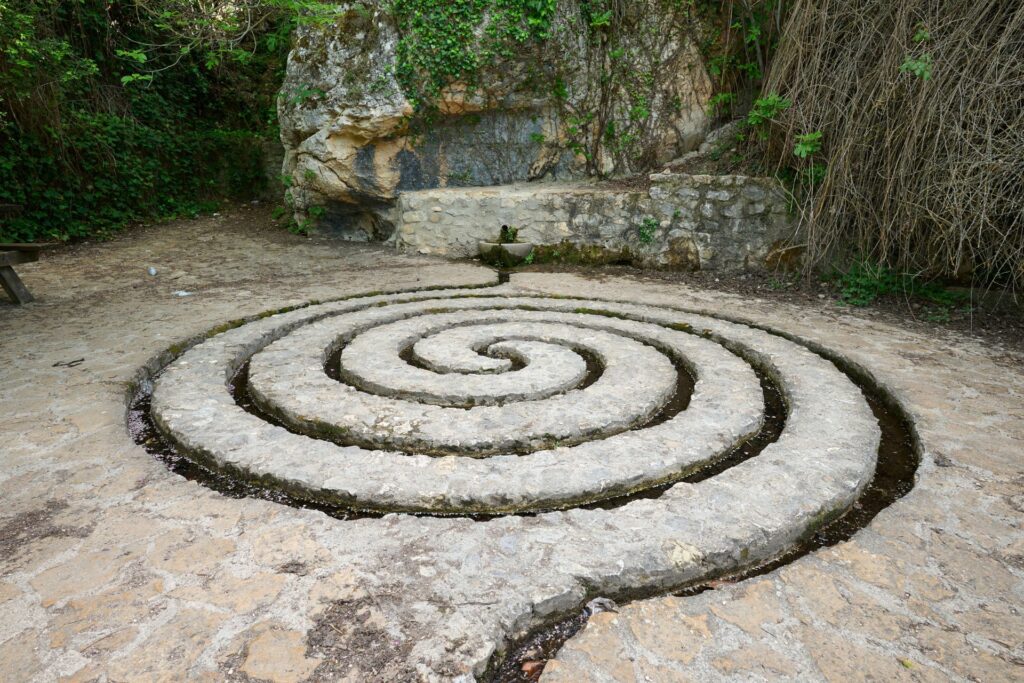
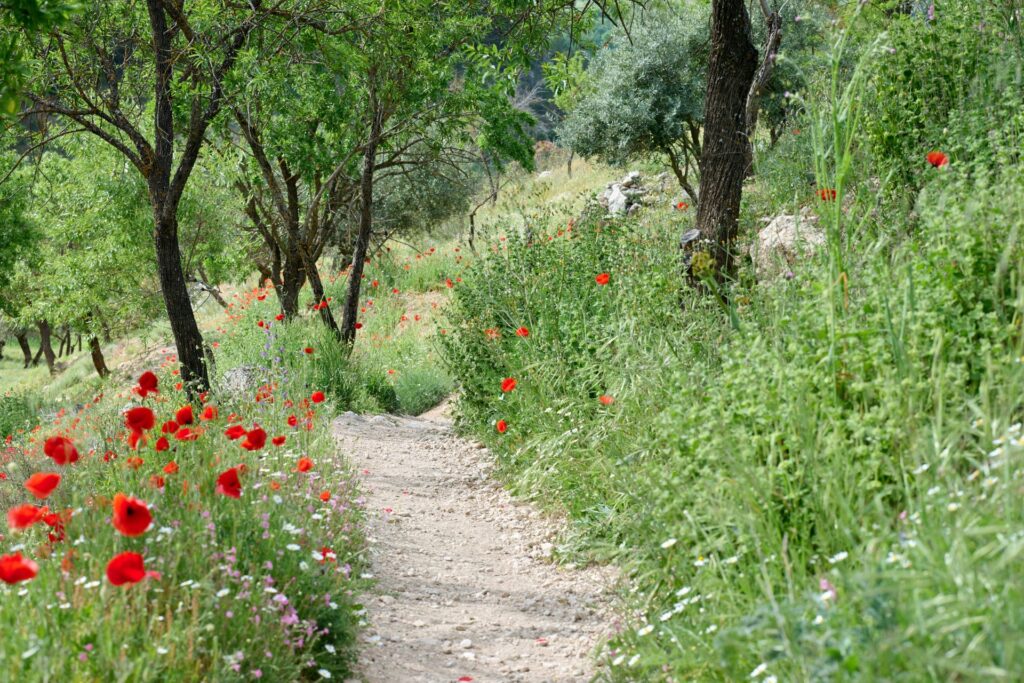
Fuente de la Corcuela - Ruta Gollizno
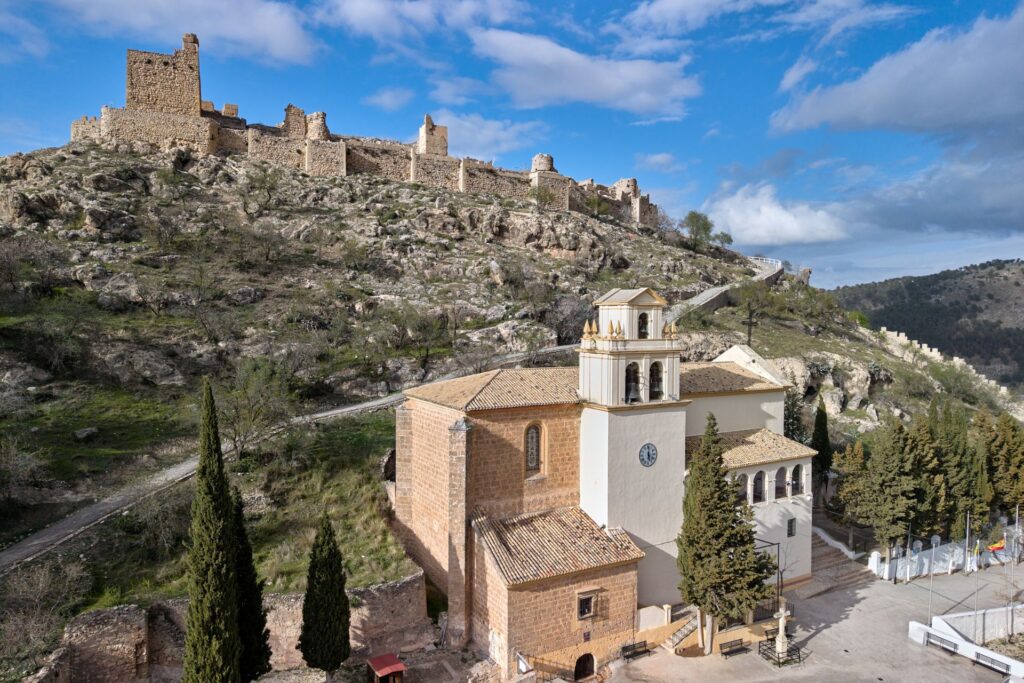
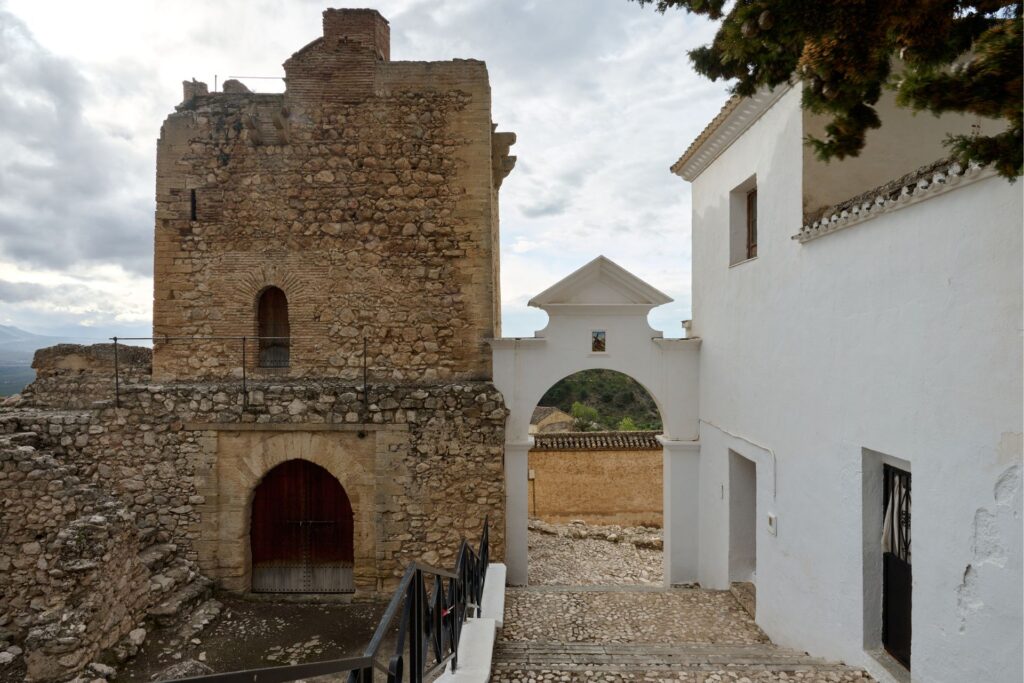
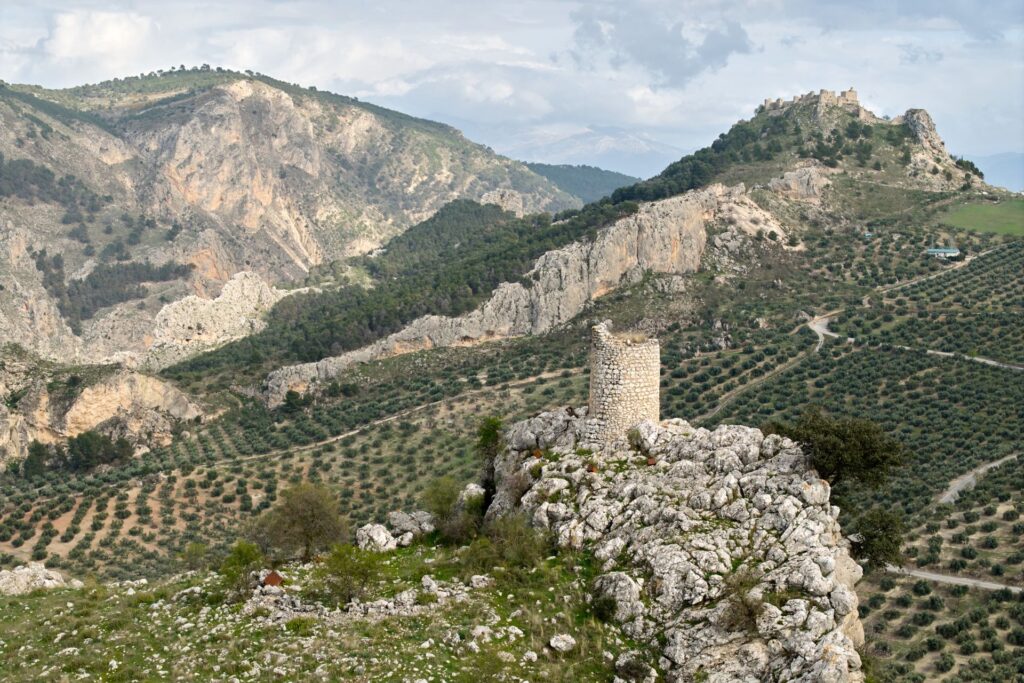
The castle of Moclín, which dominates the complex from the highest peak, retains its irregular layout adapted to the rugged terrain, while the Church of the Incarnation, commissioned by the Catholic Monarchs over the old mosque, guards the miraculous Christ of the Cloth. This large 15th-century canvas, possibly a conquest banner, draws more than 12,000 pilgrims every October 5th in one of Andalusia’s most ancient religious celebrations, declared a Festival of Tourist Interest.
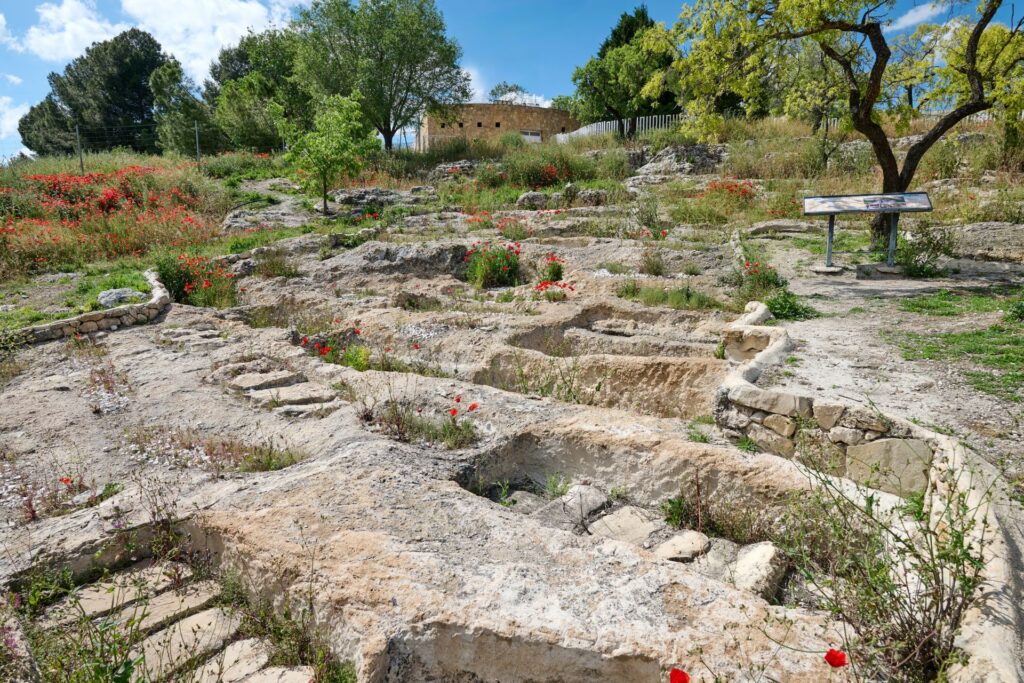
But Moclín is also an open book of Andalusian prehistory. The Cueva de Malalmuerzo, considered the ‘Andalusian Neolithic sanctuary,’ and the rock paintings of La Corcuela, with its 22 identified motifs of human and animal figures, bear witness to thousands of years of human occupation. The archaeological complex of Tózar adds layers to this history with its Mozarabic medieval necropolis, 9th-century silos, and the megalithic dolmen of the Pileta de la Zorra.

The Civil War left its indelible mark on these border lands. The Sierra del Marqués preserves one of the longest stretches of trenches in Andalusia, while the surrounding hills—Pitel, Atalaya, and Las Canteras—still hold intact bunkers, machine gun nests, and air raid shelters that literally divide the territory, recalling when Tózar and Limones were occupied by the insurgents while the Republicans resisted on the other side.


Nature has created one of the most spectacular trails in Granada here: the Ruta del Gollizno. This 8-kilometer trail follows the course of the Velillos River, which has carved the impressive Tajo de la Hoz over millennia, crossed by wooden walkways and a dizzying suspension bridge. For the more adventurous, the via ferrata of Peñón de la Solana, next to the Malalmuerzo spring, offers Tibetan bridges, monkey bridges, and zip lines with the castle as a permanent backdrop.
Moclín’s gastronomy keeps alive the tradition of the Montes region, with hearty dishes that reflect its borderland and agricultural past. Gachas de mosto, migas de matanza, and fennel stew are heirlooms from the farmhouses scattered across these lands. During the pilgrimage of the Cristo del Paño, the air fills with the aroma of hornazos and crackling cakes specially prepared for the occasion, while the local extra virgin olive oil, with its intense and fruity flavor, plays an undisputed leading role in a cuisine that has preserved the flavors of yesteryear.