

ARCHAEOLOGY, HONEY, AND TRADITION
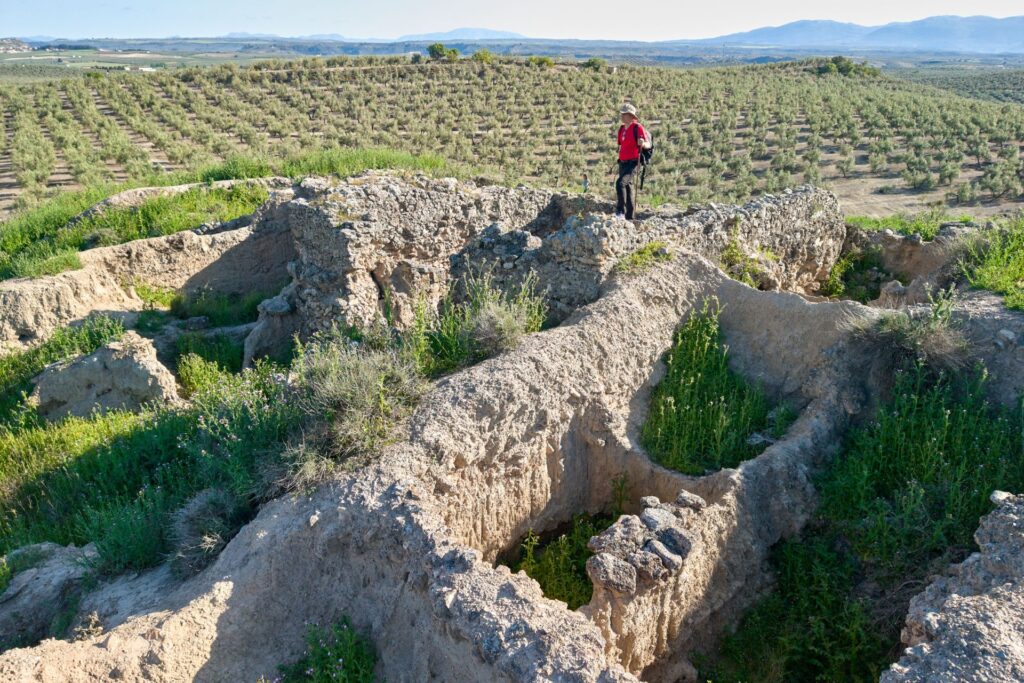
The Cerro de la Mora, located about four kilometers from the municipality, on the left bank of the Genil River, is much more than an archaeological site. This artificial hill, formed by centuries of human occupation, has revealed everything from Late Bronze Age pottery to Roman structures, including an important Iberian settlement. Archaeologists have documented here a unique cultural sequence in Andalusia, with discoveries including metallurgical ovens, storage silos, and a Visigothic necropolis, evidencing the site’s continuity as a sacred space.
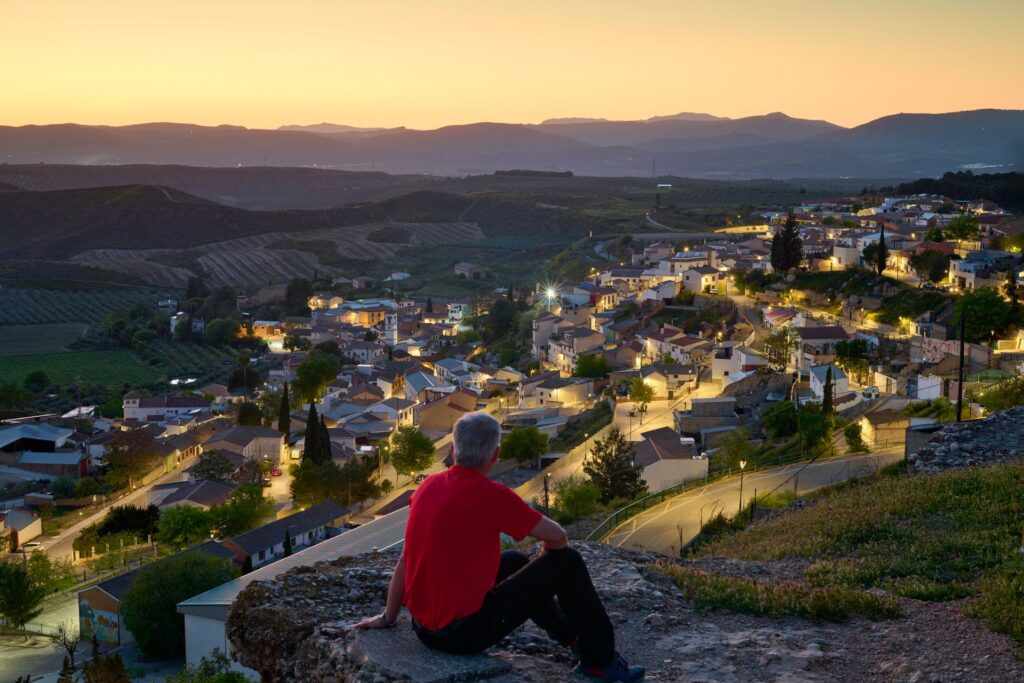
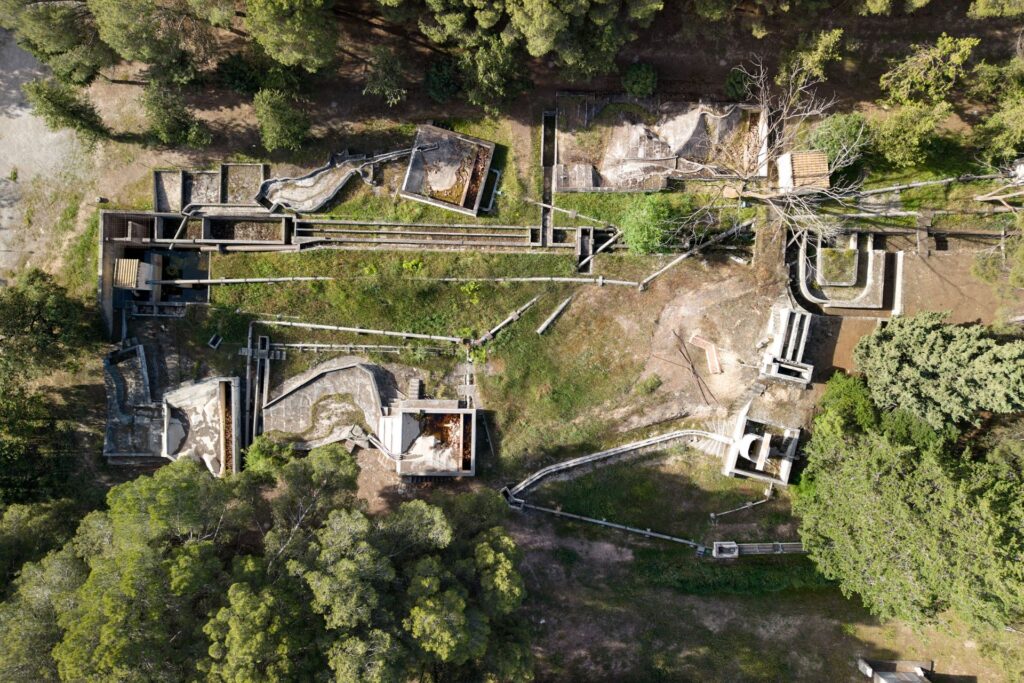
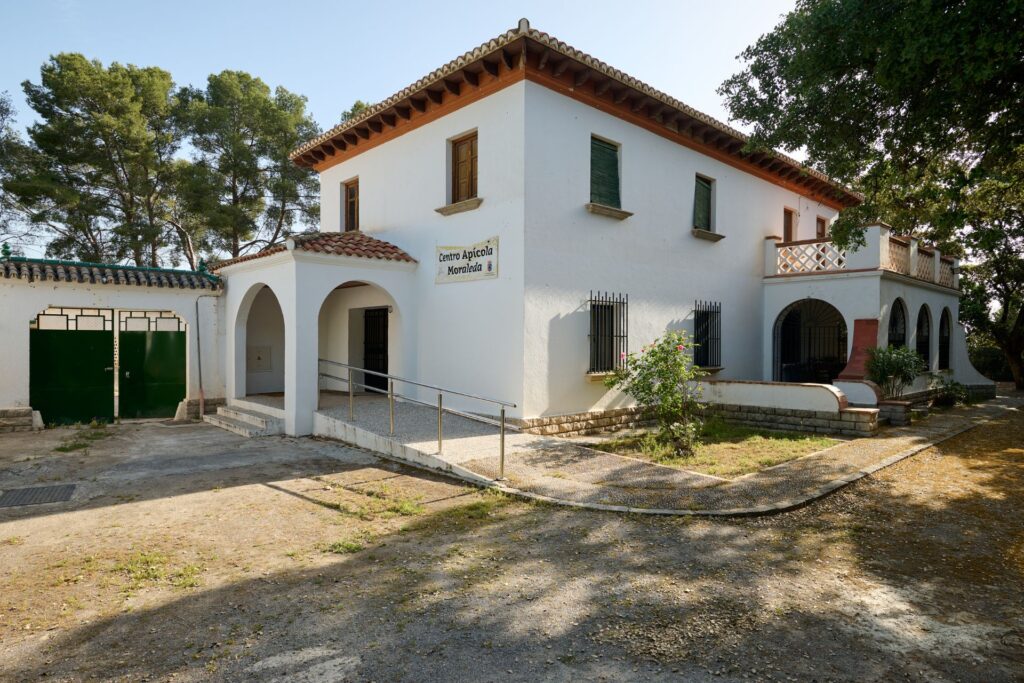
The heritage also includes the Church of Our Lady of Sorrows, with its slender tower built a hundred years ago under the patronage of Doña María de Coca and the 1933 bridge over the Cacín River, which opened the town to trade with the coast. However, it is the cave neighborhood that best tells the social history: in the 19th century most lived in caves on the Pico Grajo hill, some of which have been restored today for rural tourism. A walk through steep streets and whitewashed facades that captivates with its beauty. And the Beekeeping Center at the Los Pinos Recreation Area offers a unique experience: dressing as a beekeeper and discovering the world of bees, connecting with a millenary relationship between humans and pollinators. The facilities include observation hives, wax workshops, and tastings of various local honeys.