

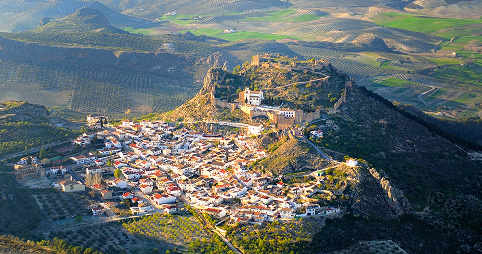
A WINDOW TO THE MEDITERRANEAN
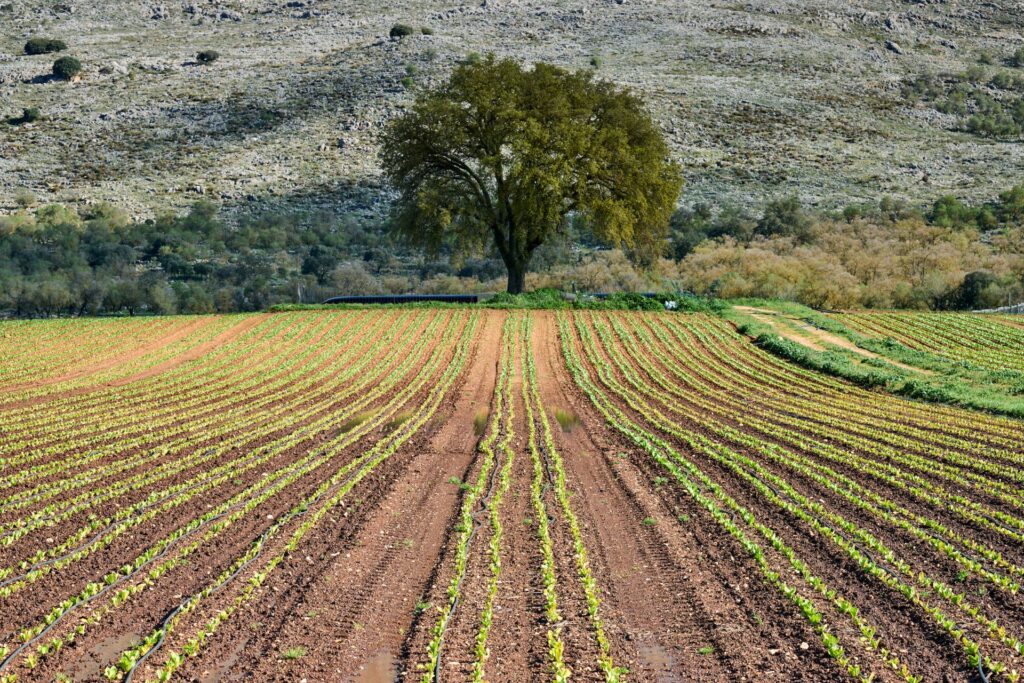
Zafarraya, whose Arabic name means “field of shepherds”, stretches across the extraordinary Zafarraya Polje — 10 km long and 3.5 km wide — a unique enclosed depression in Andalusia. Located at the western edge of the Alhama region, its history dates back to prehistoric times. The remains of the so-called Zafarraya Man, found in the Boquete Cave, are dated to 30,000 years ago. The cave is the Iberian Peninsula site that has yielded the highest number of Neanderthal remains, confirming that it was one of their last refuges in Europe. For centuries, it was a mandatory passage for troops and caravans traveling towards Vélez (Málaga), Alhama, and Loja.
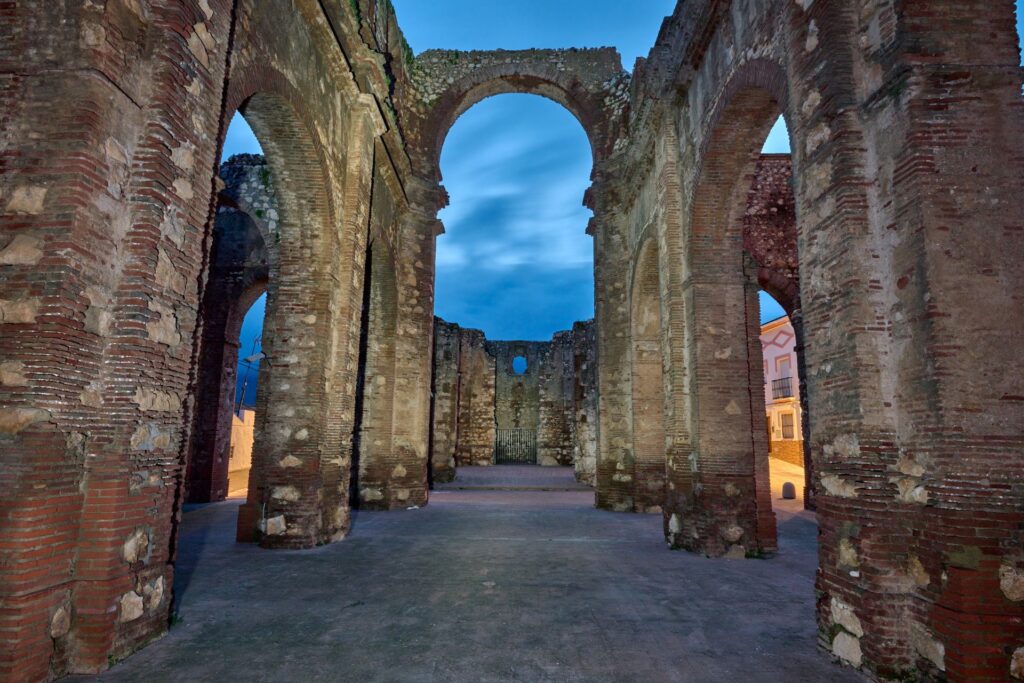
The architectural heritage was also devastated by the earthquake of 1884. The present Church of the Immaculate Conception was commissioned to be built on the site of the one destroyed by General Narváez at the end of the 19th century. The Hermitage of Christ of the Three Marys houses an image of Jesus painted on glass, whose origin is legendary and which inspires deep popular devotion.
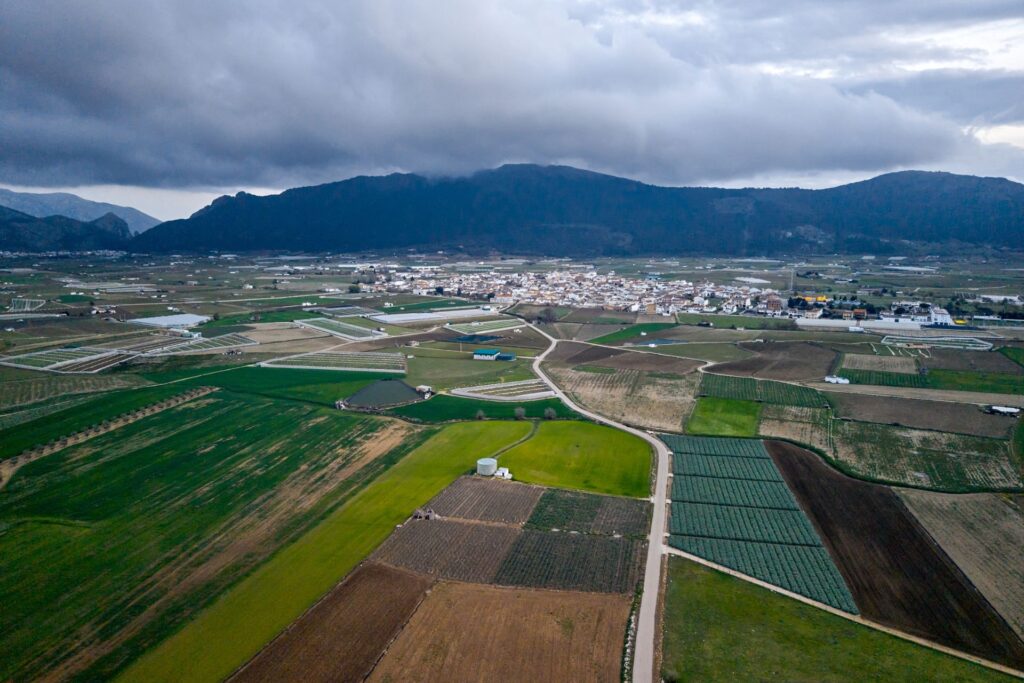
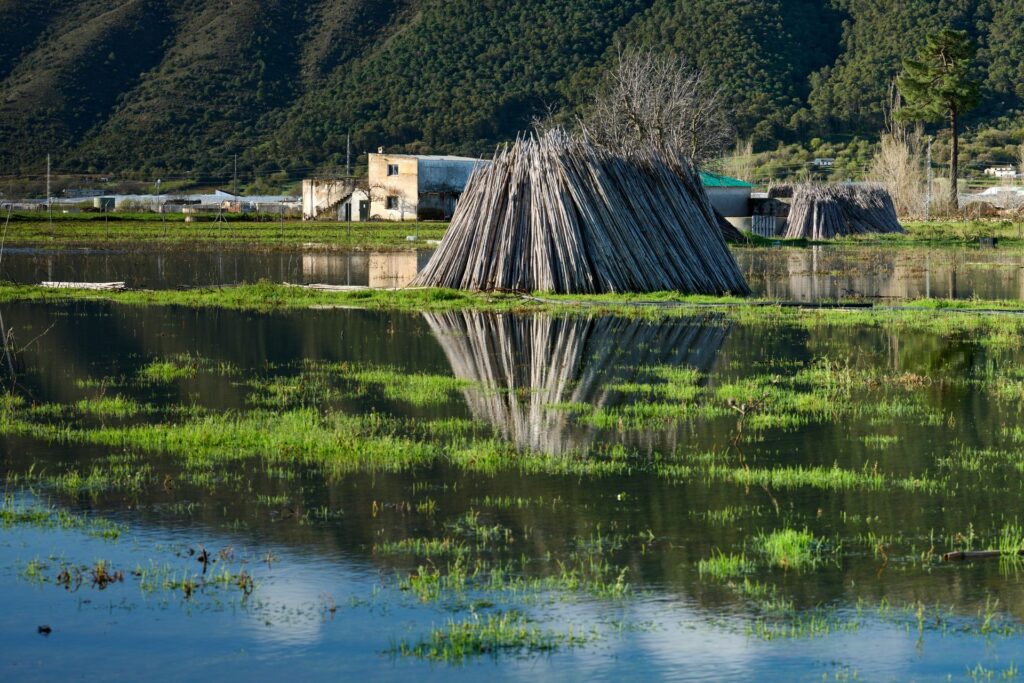
The Boquete de Zafarraya is the municipality’s most spectacular geographical landmark, an extraordinary natural balcony to the sea and a natural passage between the western part of Granada and the Mediterranean coast, from where magnificent views of the Costa del Sol can be admired, just 30 kilometers away. The natural surroundings include Las Parideras, El Carrascal, El Refugio, Fuente del Espino, Veredas Blancas, the Pine Forest of Sierra Umbría, and Sierra Gorda. An interesting curiosity is that when it rains heavily, the Arroyo de la Madre, which acts as a natural sinkhole, overflows and floods El Llano, a phenomenon popularly known as “la mareá”.
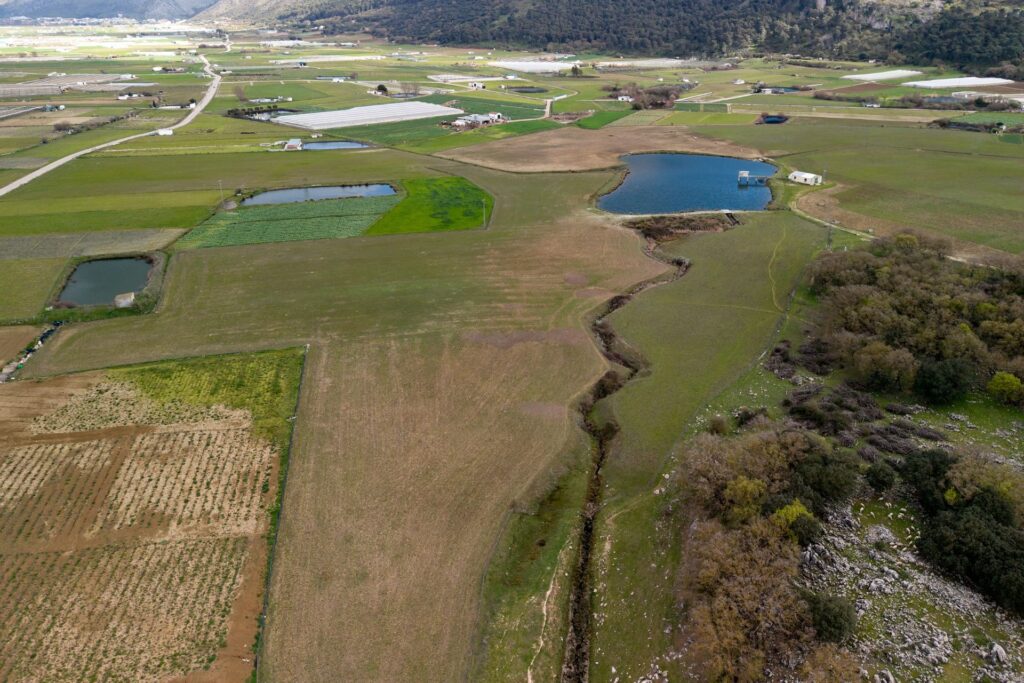
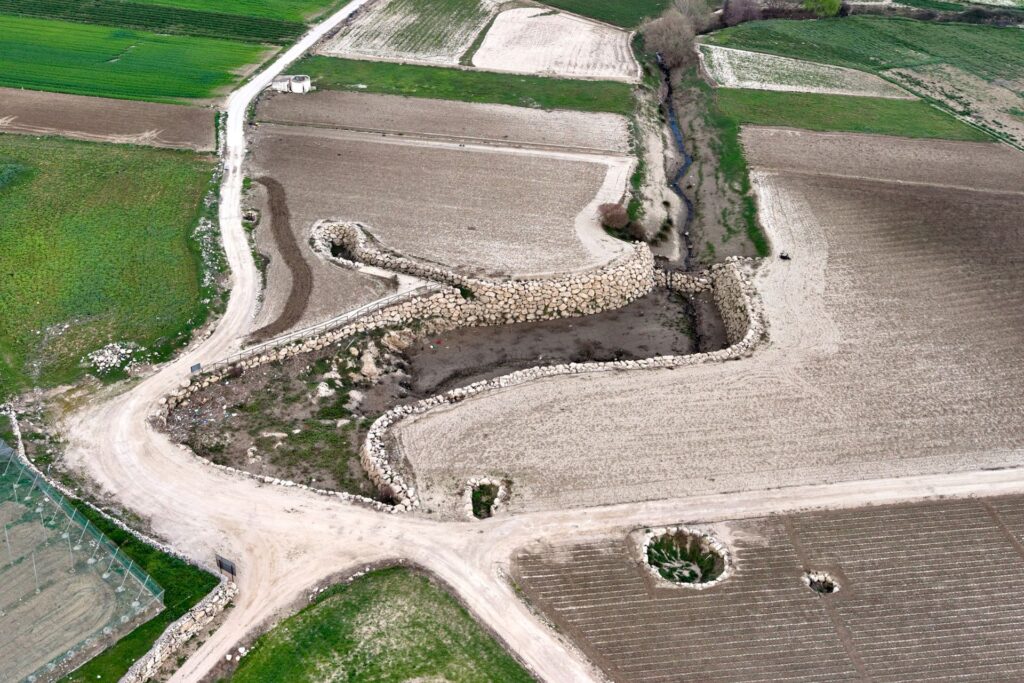
Zafarraya is the threshold between Granada and the Costa del Sol, a frontier land where Neanderthals once found refuge, where the Polje preserves unique geological secrets, and where the Boquete opens a spectacular window onto the Mediterranean.