
Zagra

Imagen de un museo con una escultura en una vitrina de vidrio

PURE BORDERLAND ESSENCE
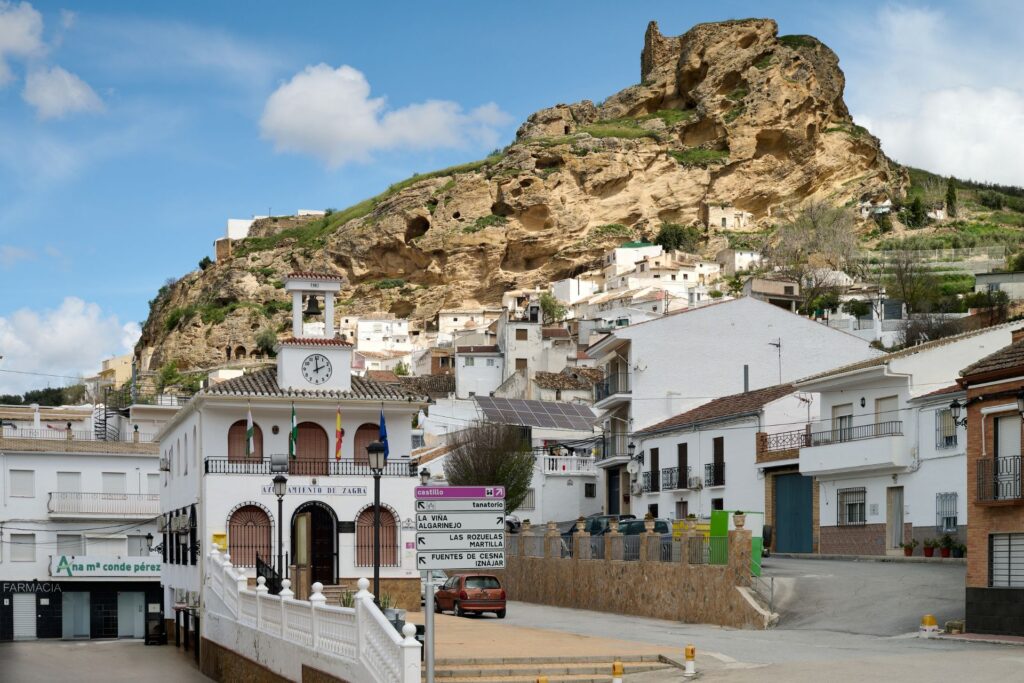
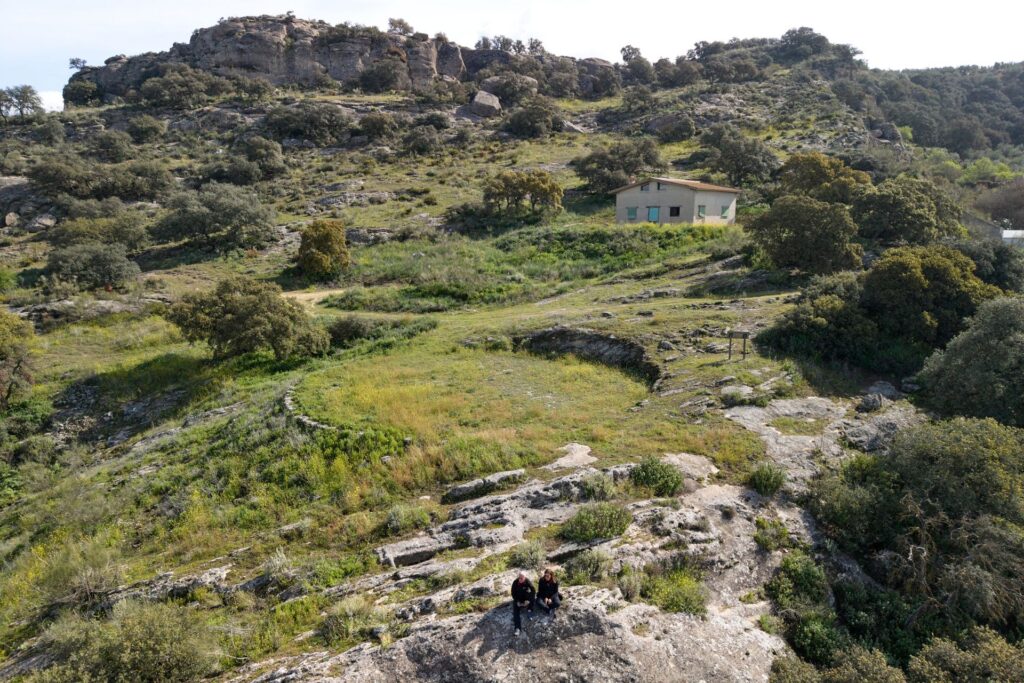
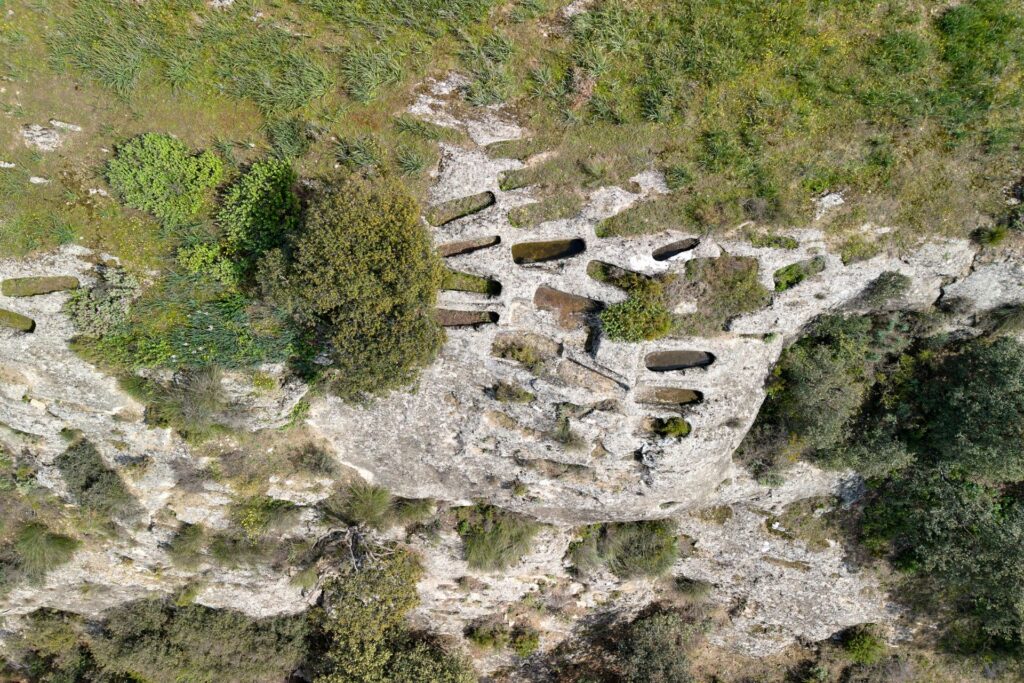
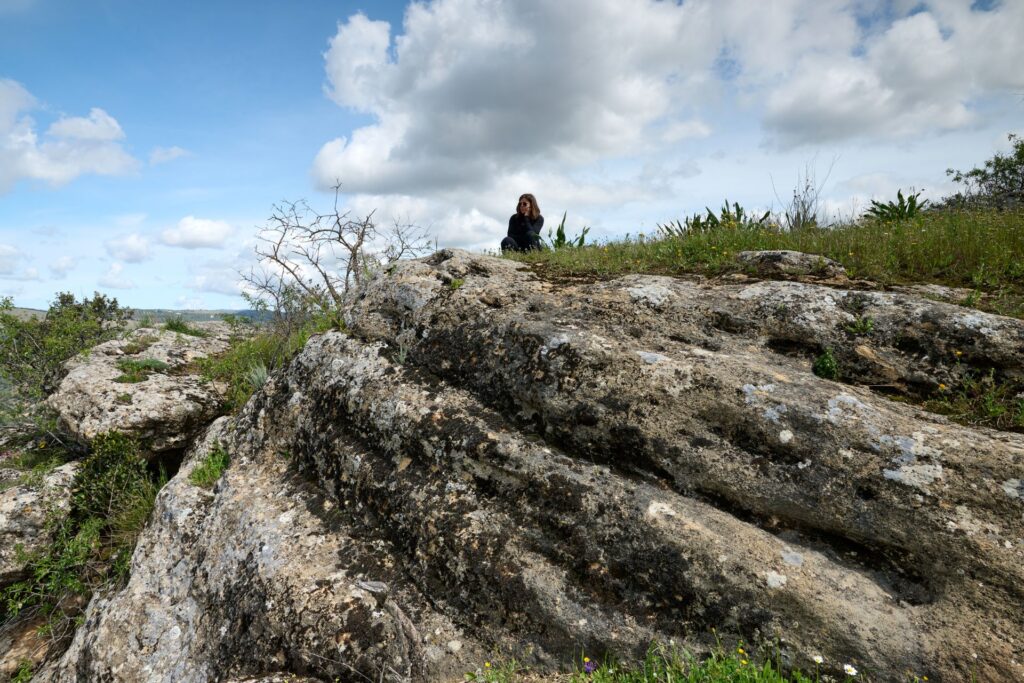
Zagra rises like an eternal watchtower over the borders of Granada’s Northern West. This small municipality is the pure essence of a frontier land. For centuries, in fact, that is exactly what it was: the boundary where kingdoms, cultures, and destinies collided. Archaeological findings show that there were human settlements in these lands from Prehistoric times through the Roman Empire. The necropolis of Zagra and the settlement of Los Algarbes, with 60 rock-cut tombs, speak of a land inhabited since time immemorial.
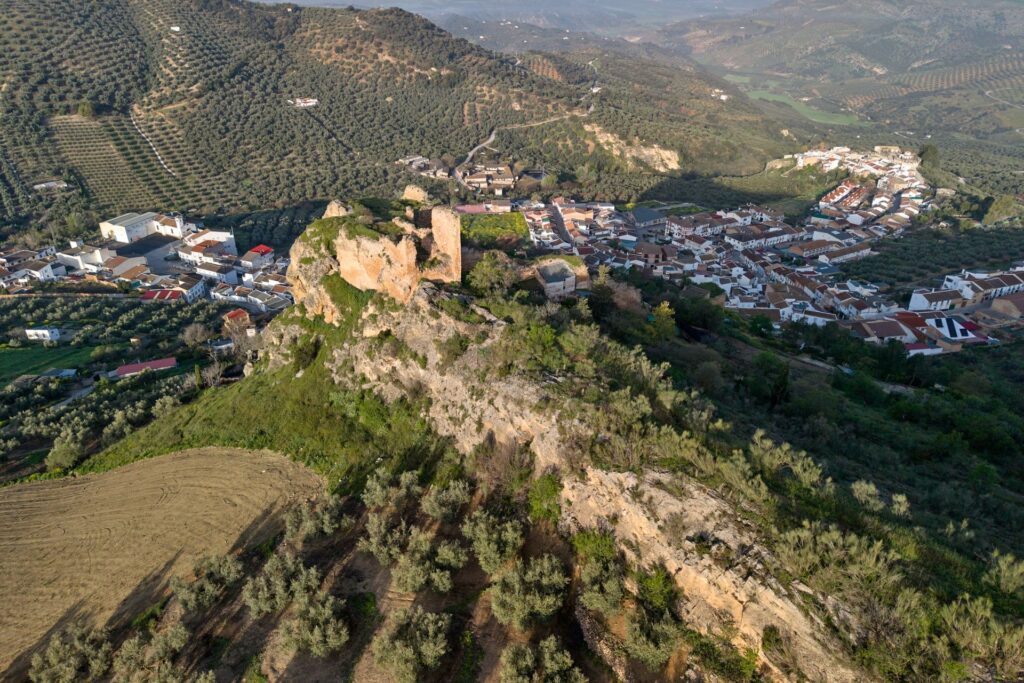
But it was in medieval times that Zagra took on its true prominence: In 1362, the castle of Zagra was seized by the Castilian troops of Peter I. For centuries, both before and after its conquest by the Catholic Monarchs, it depended on Loja, from whose Town Hall it gained independence in 1982. The castle overlooks the town from a rocky elevation at an altitude of 805 meters. This fortress formed part of the first defensive line of the Nasrid Kingdom of Granada and remains can still be seen in two sections: the walled outer area and a tower at its highest point.

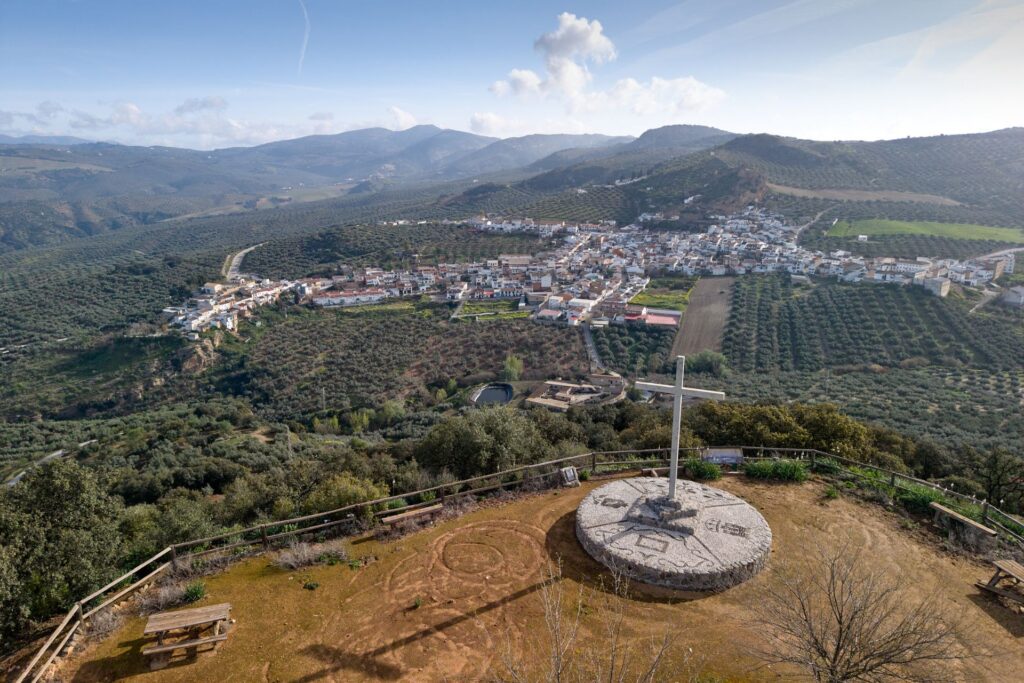
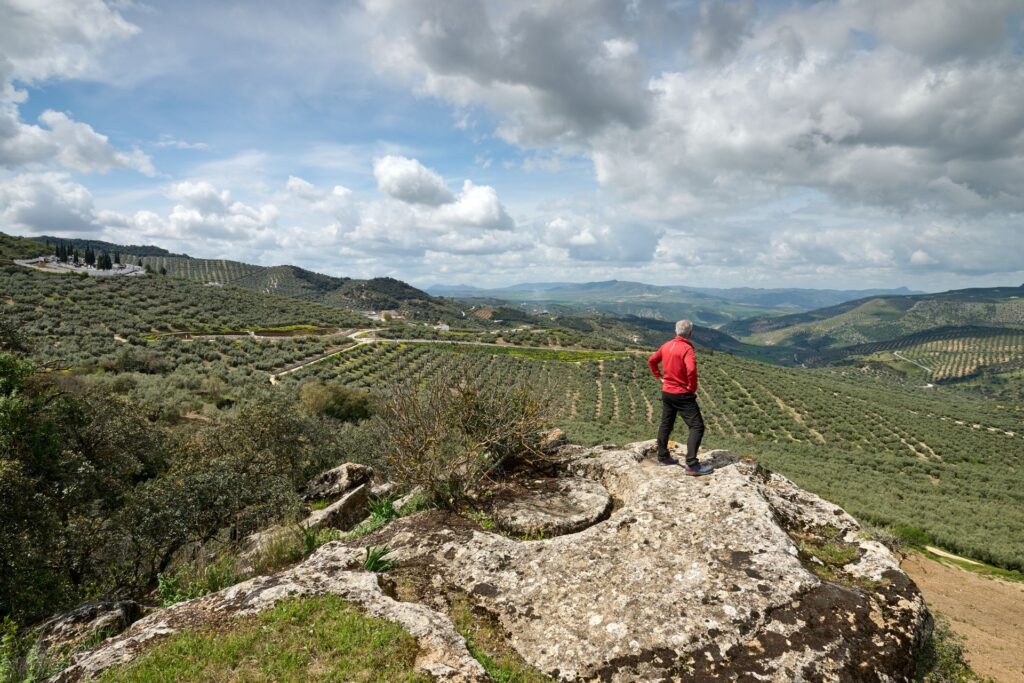
The Parish Church of San Lorenzo, built in the 18th century, underwent an almost complete reconstruction in 1970. On Mount Calvario, the old hermitage of Santa Bárbara has been rebuilt, where an image of the Risen Christ is venerated. The true natural temple of Zagra is the Viewpoint of Cerro de la Cruz, which offers views in all four directions. From there, one can see the provinces of Córdoba, Málaga, and Granada. Clearly visible are the Sierra Tiñosa of Priego de Córdoba, Sierra Ojete of Algarinejo, and on clear days, the Iznájar reservoir and dam. Visitors can also enjoy the trail leading to El Barrancón, a natural site that connects the ravine of Los Naranjos, the ravine of Las Rozuleas, and the ravine of Las Minas.


Festivities keep the heartbeat of the town alive. During the San Marcos pilgrimage on April 25, it is tradition to eat outdoors and share the typical hornazos, shaped curiously as lizards (for men) and turkeys (for women). Yet the landscape of Zagra is, in truth, a sea of olive trees. The town and its surroundings are encircled by fertile lands ideal for olive cultivation, producing an award-winning oil that stands as the town’s silent wealth.
Zagra is the very essence of the frontier: small yet unyielding, silent yet watchful. It is the last sentinel of the West, gazing from its lookout as the sun sets over three provinces, reminding us that there are places where being small is, in fact, the greatest of strengths.