

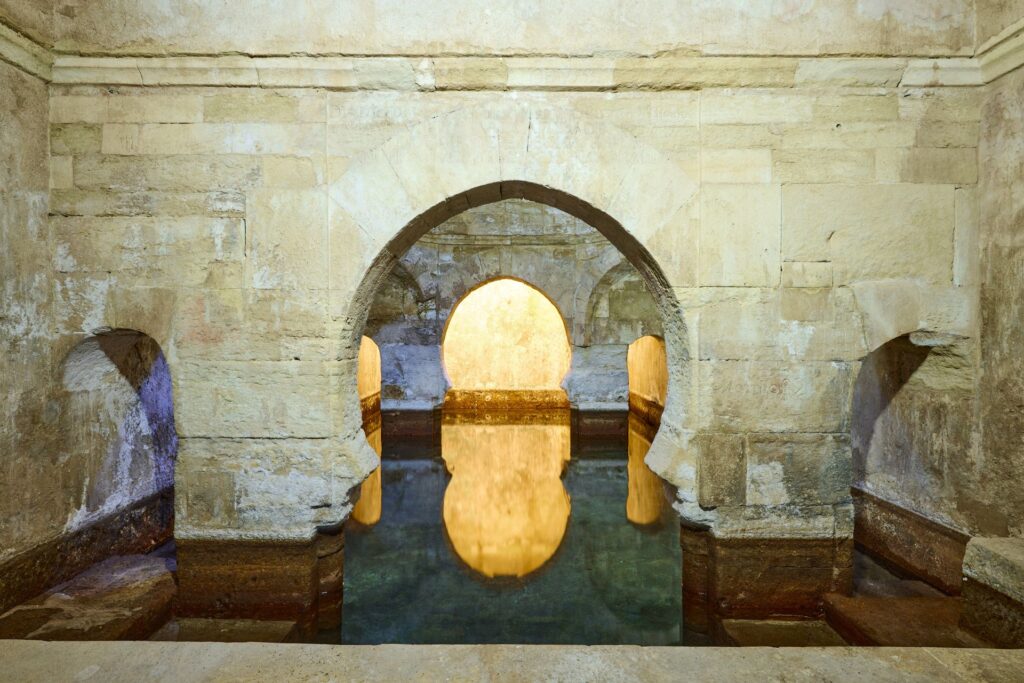
ANCIENT THERMAL BATHS IN DIZZYING LANDSCAPES
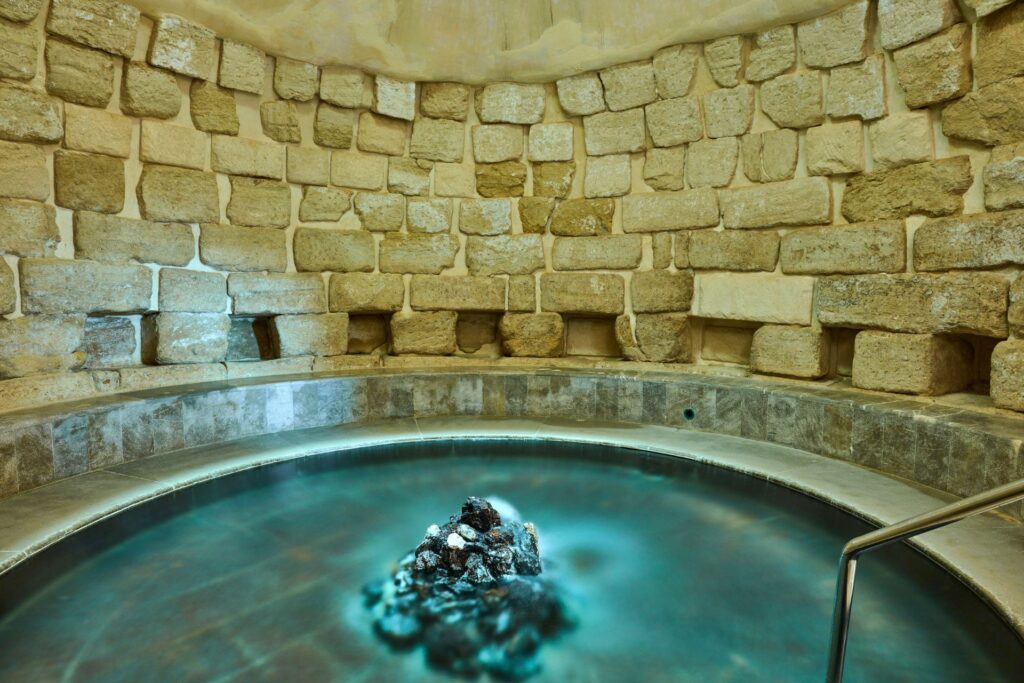
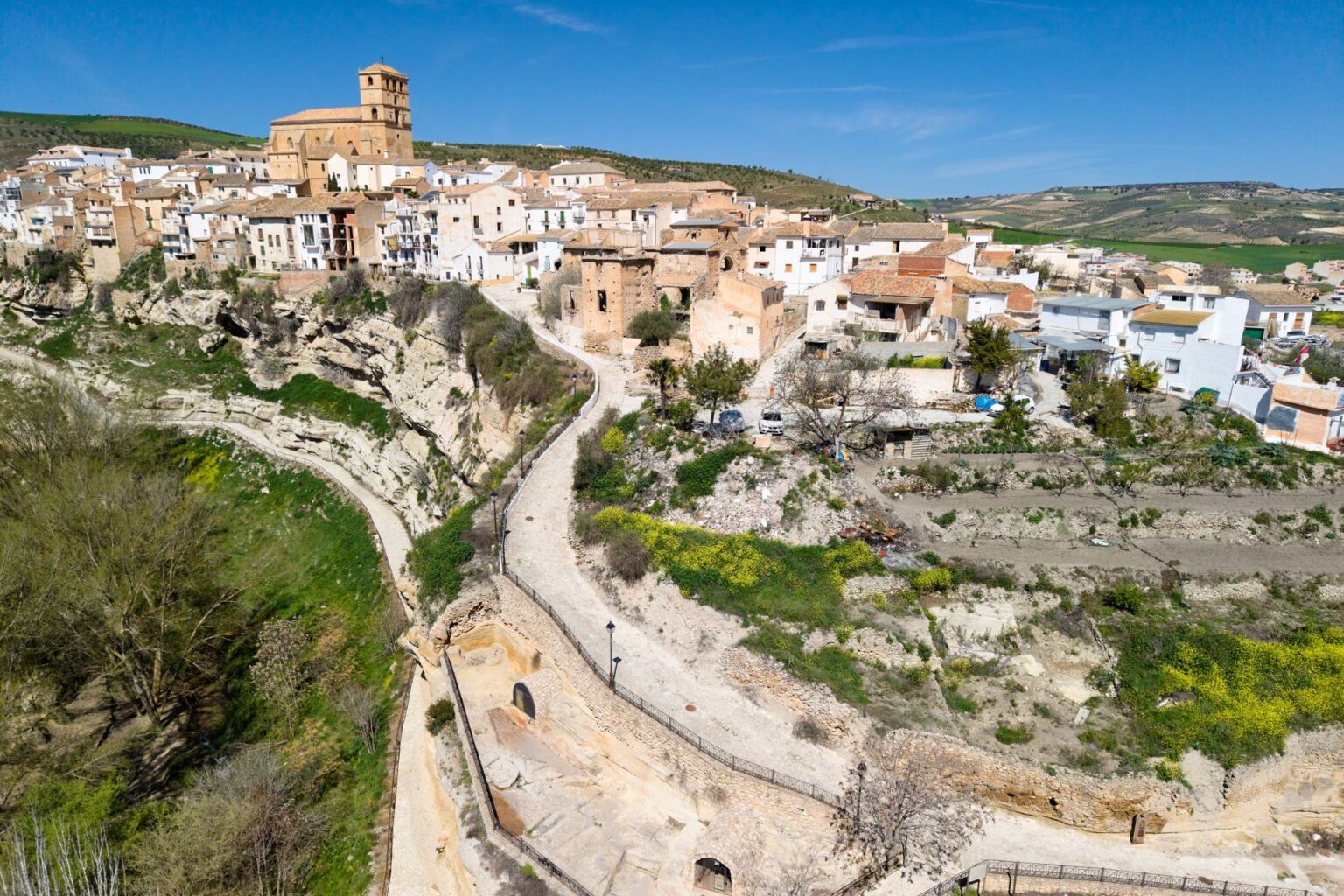
Alhama de Granada dominates from the top of a spectacular gorge, surrounded by the Sierras de Tejeda, Almijara y Alhama Natural Park in a landscape that perfectly defines its thermal essence. This town, whose Arabic name “al-hamma” means “hot spring”, has preserved the tradition of its curative waters since Roman times and has established itself as the thermal capital of Western Granada. The Arab Baths from the 12th-14th centuries, considered among the best preserved of the Nasrid period, offer a magical space where water flows at 40 degrees directly from natural cracks and combines architecture, history, and well-being.
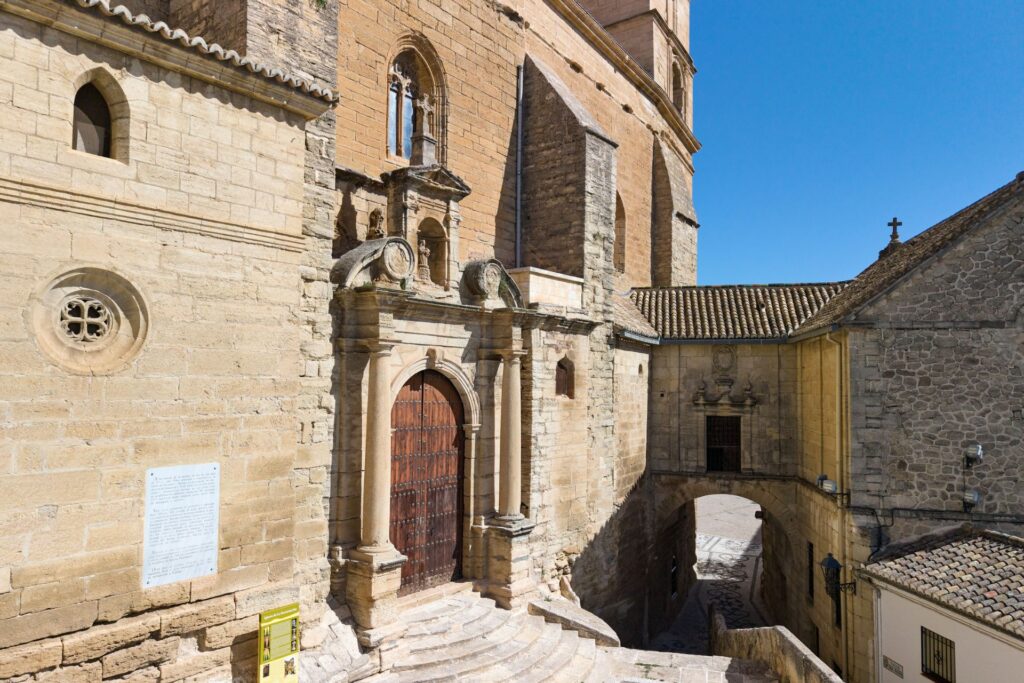
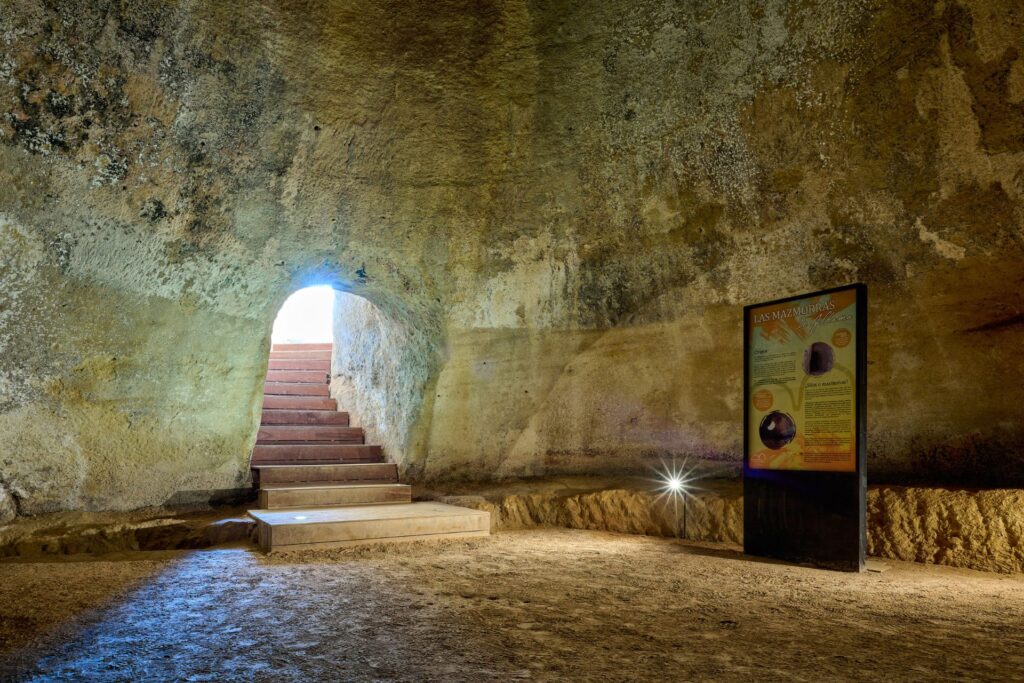
The monumental heritage of Alhama, declared a Historical-Artistic Site in 1975, constitutes an exceptional radiography of peninsular history that includes the Tajos as an integral part of the protected asset since 2011. The Main Church of Santa María de la Encarnación, commissioned by Isabel la Católica on an old mosque, dominates the urban landscape with its imposing Gothic-Renaissance architecture, while the 16th-century House of the Inquisition, the Convent of the Barefoot Carmelites (current seat of the Town Hall) and the Royal and Ecclesiastical Hospital of the Queen form a complex that shows centuries of cultural coexistence. The spectacular position on the Tajos del río Alhama offers unique landscapes that have inspired travelers from Ibn Battuta in the 14th century to the romantics of the 19th.
The rich cultural tradition of Alhama is kept alive with the Young Music Festival of Andalusia, held uninterruptedly since 1966 by initiative of Andrés García Maldonado and dedicated to the discovery of new musical talents in flamenco-fusion and pop rock categories. Every first week of August, this event brings together thousands of fans in a contest that has seen the birth of great figures of Spanish music. Next to it, the Velada de los Romances (since 1997) in the Plaza de los Presos celebrates every summer the literary tradition of the Spanish romance, while the activities of the Cultural Summer complete a program that makes Alhama a cultural reference in the territory.
The Carnaval de Alhama, declared a Festival of Tourist Interest of Andalusia, stands out as one of the oldest and most authentic in Andalusia, preserving the traditional dates marked by Lent and characterized by its unique “mascarones” or cloth masks that completely cover the face. Celebrated for four days culminating in the famous Domingo de Piñata, this rural carnival keeps the tradition alive with murgas, comparsas and the Concurso de Máscaras Jameñas. The Romería del Vino (August 15), the Feria de Septiembre, the Fiesta del Vino (first Saturday of February) and La Candelaria (February 2) complete a festive calendar that makes Alhama a destination where the ancient thermal waters merge with a living and authentic culture.