

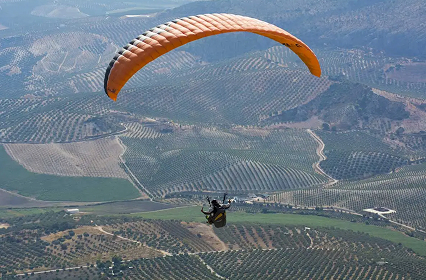
ARTISAN CHEESES AND TRAILS AMONG SPRINGS
Where the steep mountains of Tejeda, Almijara, and Alhama soften toward the north, Jayena unfolds its white houses in the valley of the Grande or Bacal River, a territory where almond trees, olive groves, and cereals have conquered the gentlest slopes. Although Jayena’s origins date back to the Arab period, archaeologists have found remains of earlier cultures, such as Romans and Neolithic peoples, especially in the area of La Mesilla. Known as ‘Chayyana’ during the Islamic period, it was raided by Constable Álvaro de Luna in 1431 and taken by the Catholic Monarchs in 1487, later remaining linked to the marquises of Campotéjar for centuries.
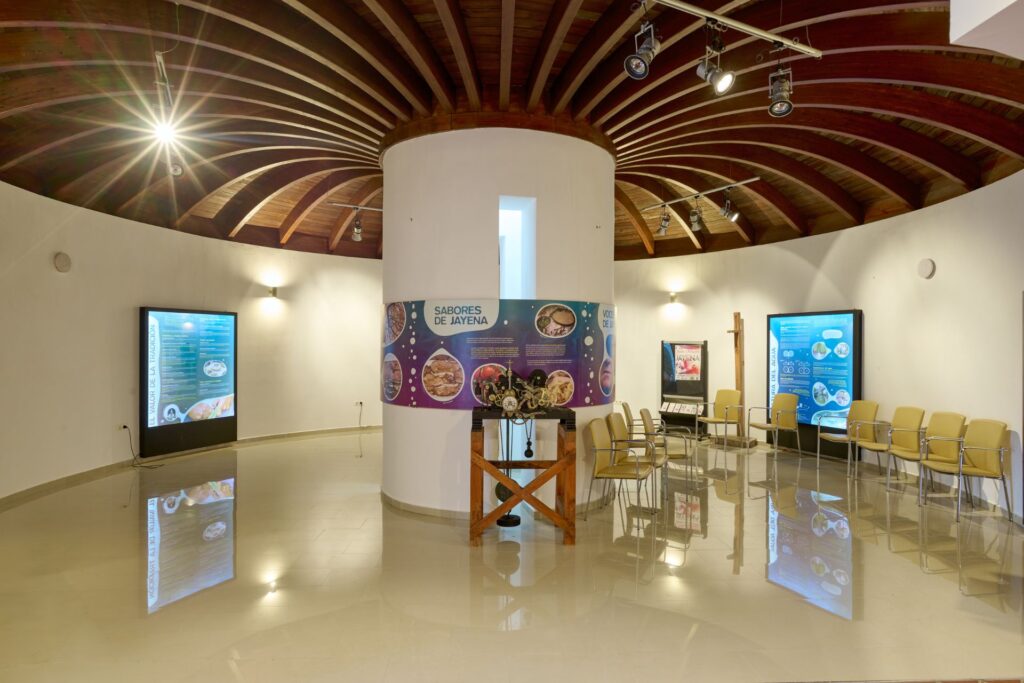
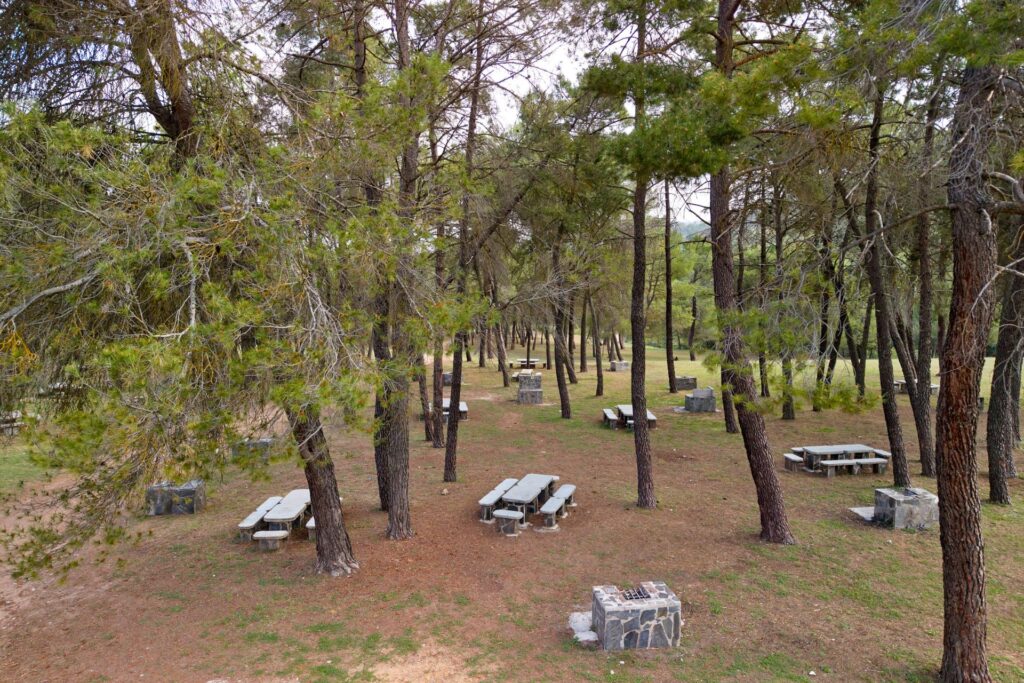
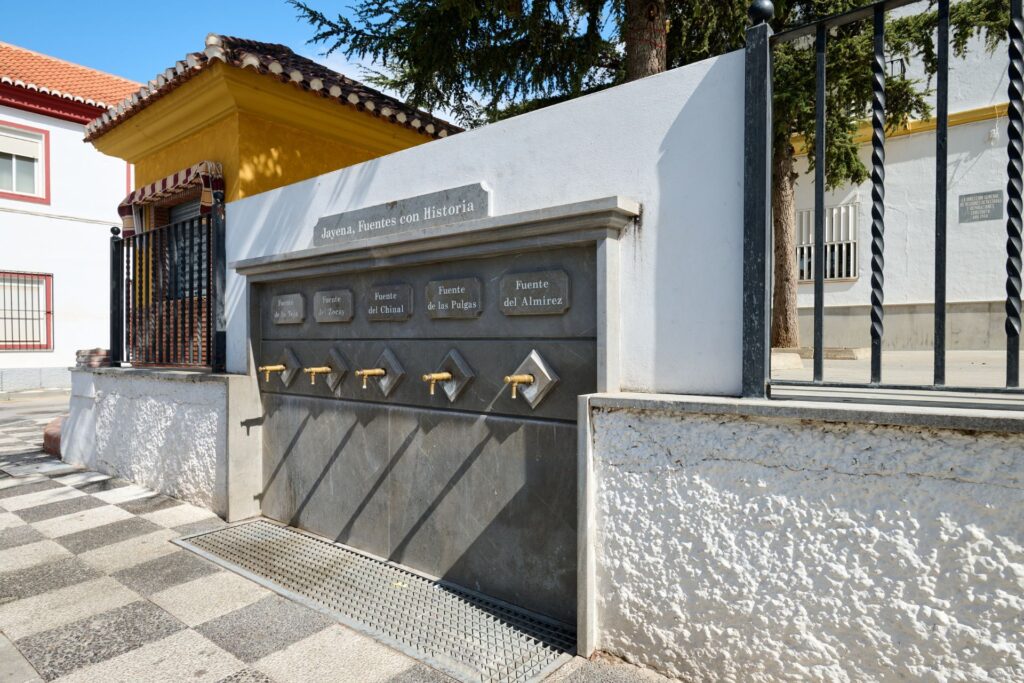
Water shapes the character of this land, where out of 35 inventoried springs, 21 still flow, including the historic springs of Zocay and Las Pulgas. The Bacal recreational area, located 4.5 km south of the village by the river, is the starting point of trails that wind among waterfalls and crystal-clear pools to reach the Poza del Romance, an idyllic haven where the water has sculpted whimsical shapes. Along these paths, one can still see the grooves in the pine trees used for resin extraction, a reminder of the time when resin harvesting supported the local economy.
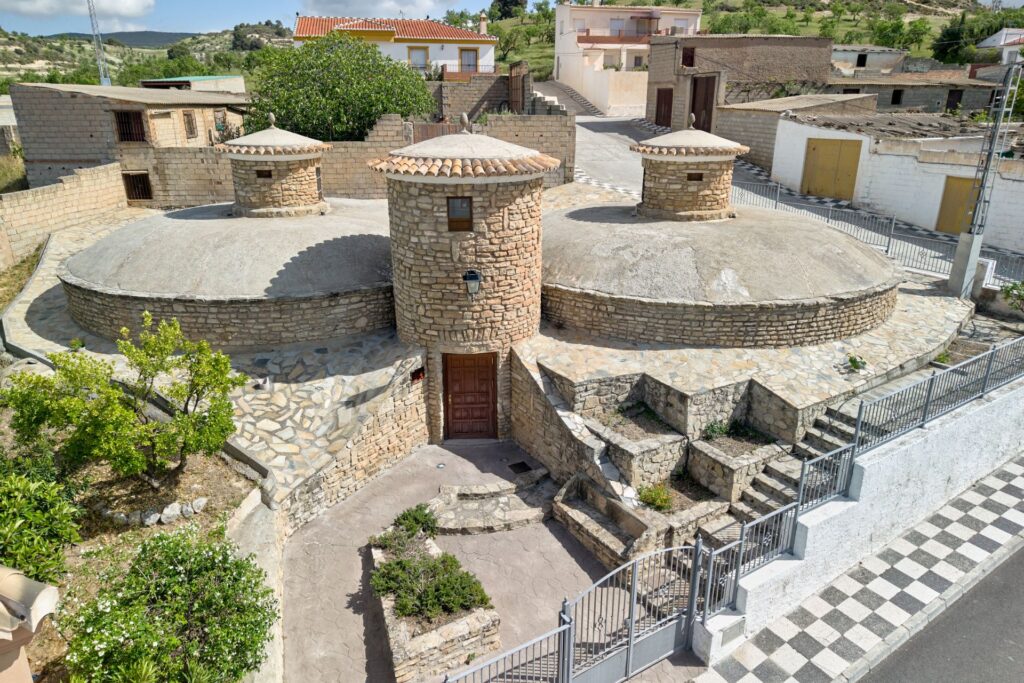
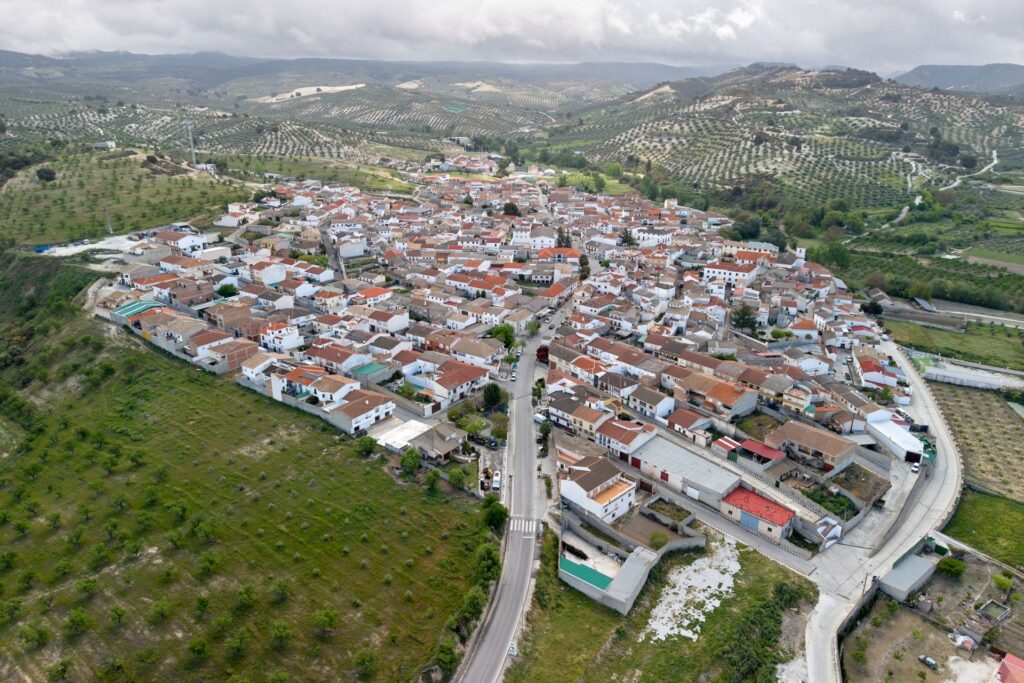
This natural richness also translates to the table, where the artisan raw goat milk cheeses from the Cortijo de Rota stand out, crafted with milk from their own herds fed on mountain pastures. River trout, mountain-style migas, and stews complete a gastronomy that celebrates during the pilgrimage of San Antonio Abad in May, when the Bacal becomes a festive stage, and during the festivities of the Virgin of the Rosary every August.
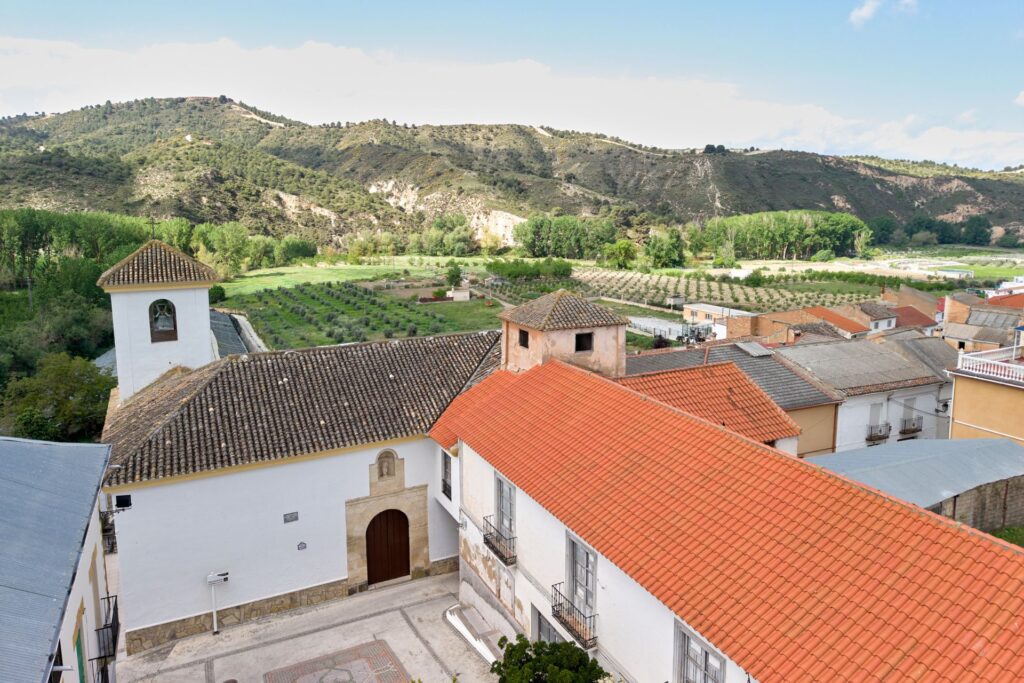
In Jayena, where water weaves paths through dreamlike pools and cheeses mature to the slow rhythm of the mountains, every trail invites discovery of a territory that has preserved its rural essence while sharing its natural treasures with those seeking the authenticity of the Poniente de Granada.